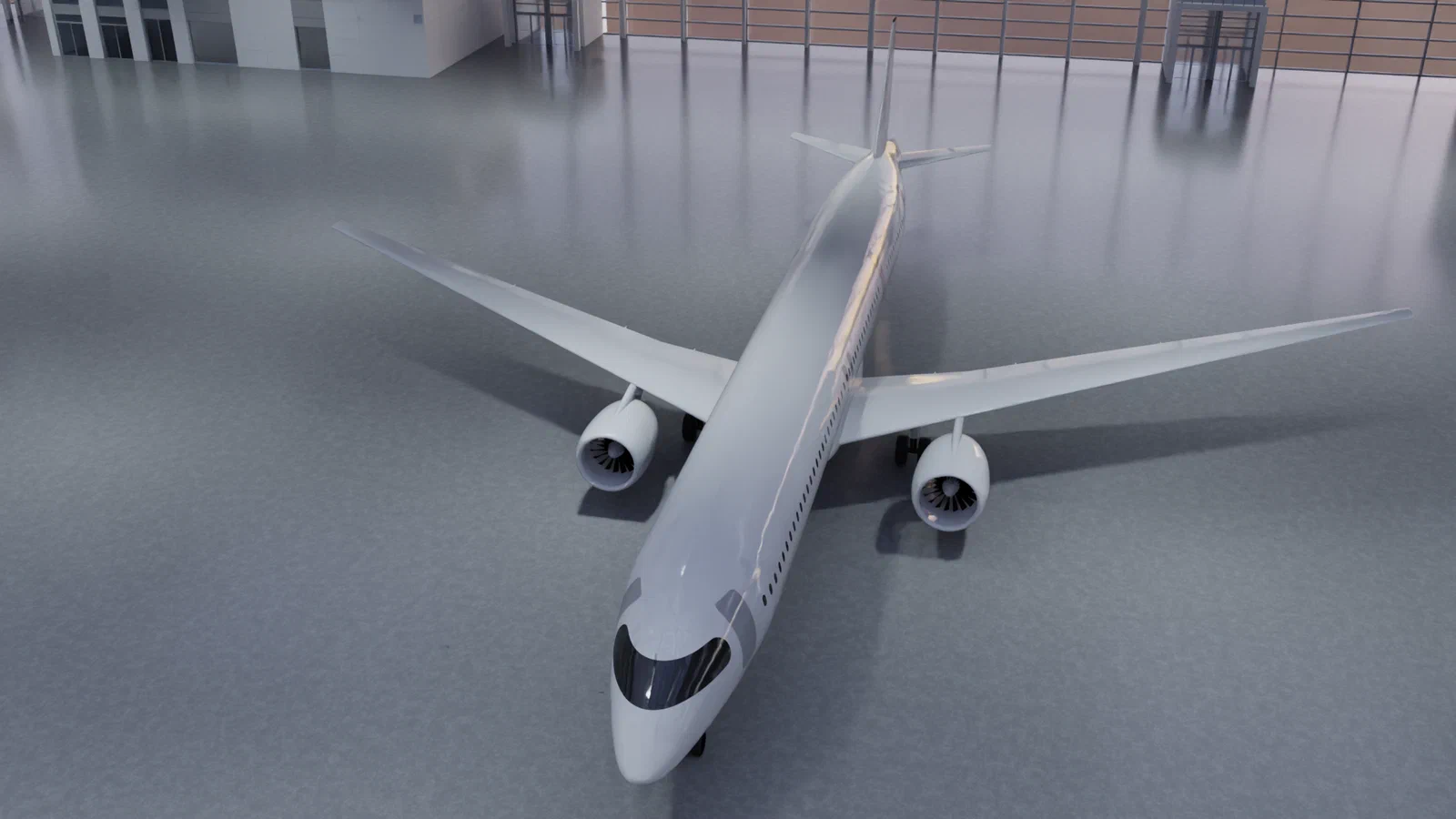
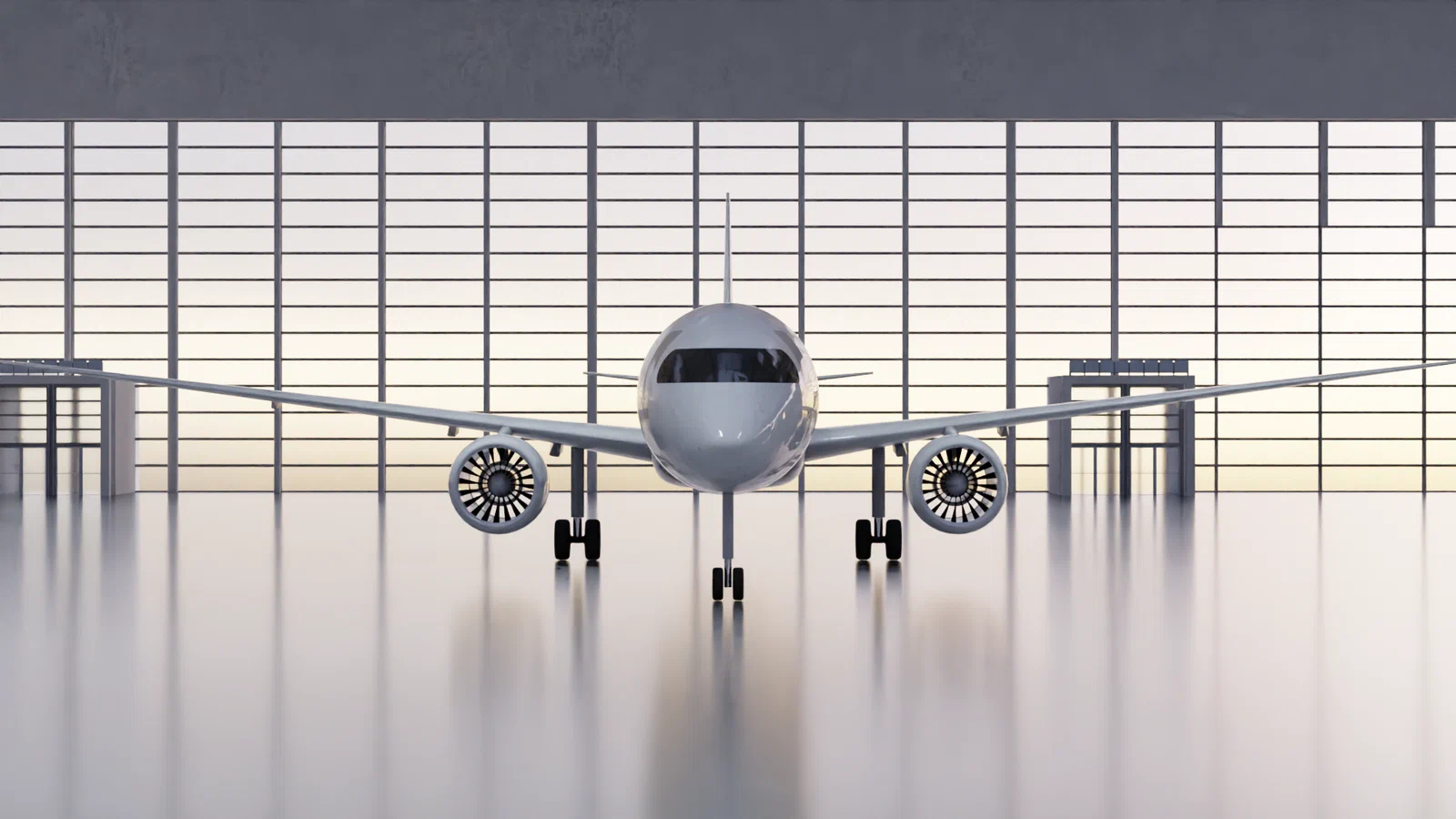
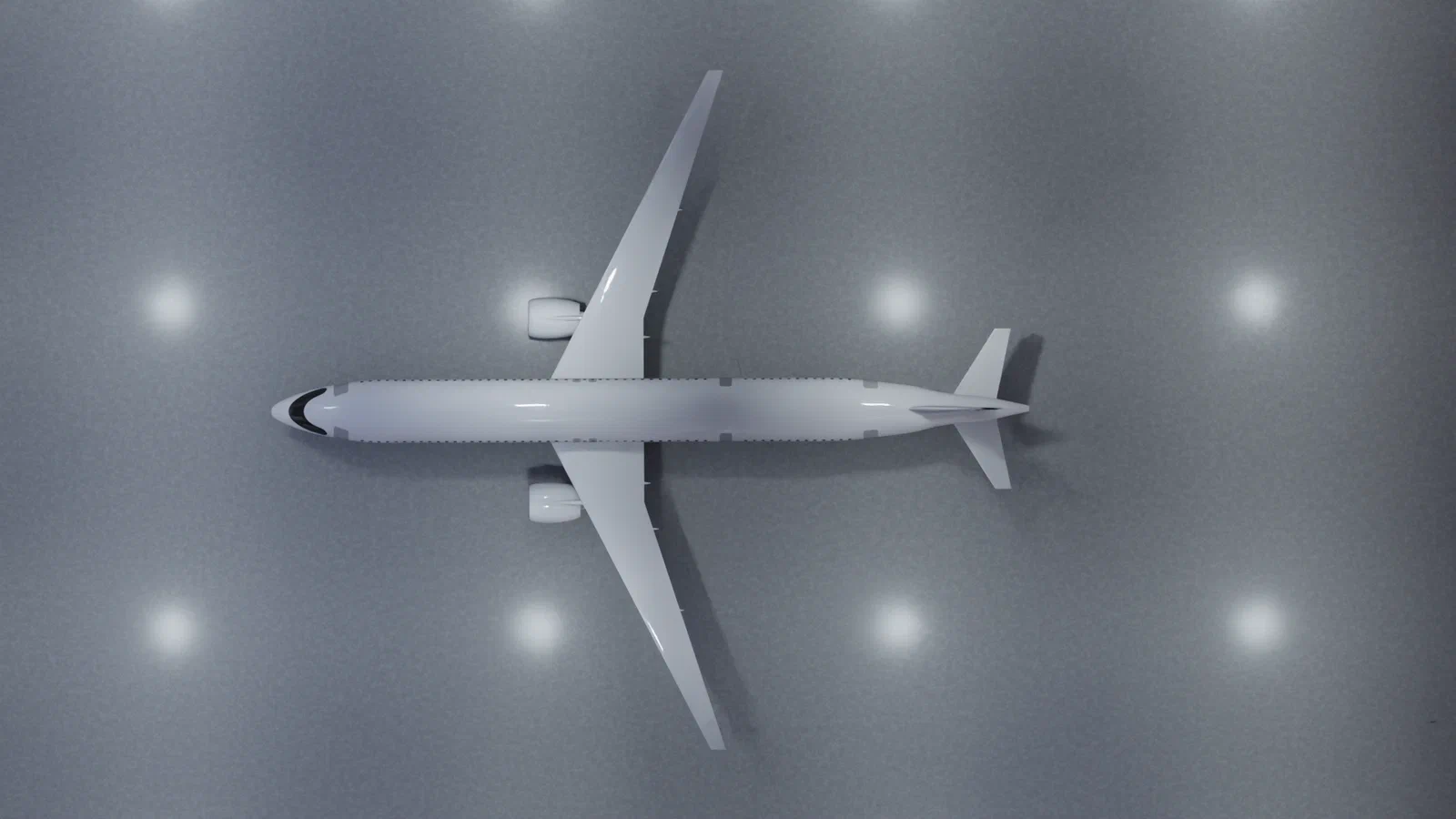
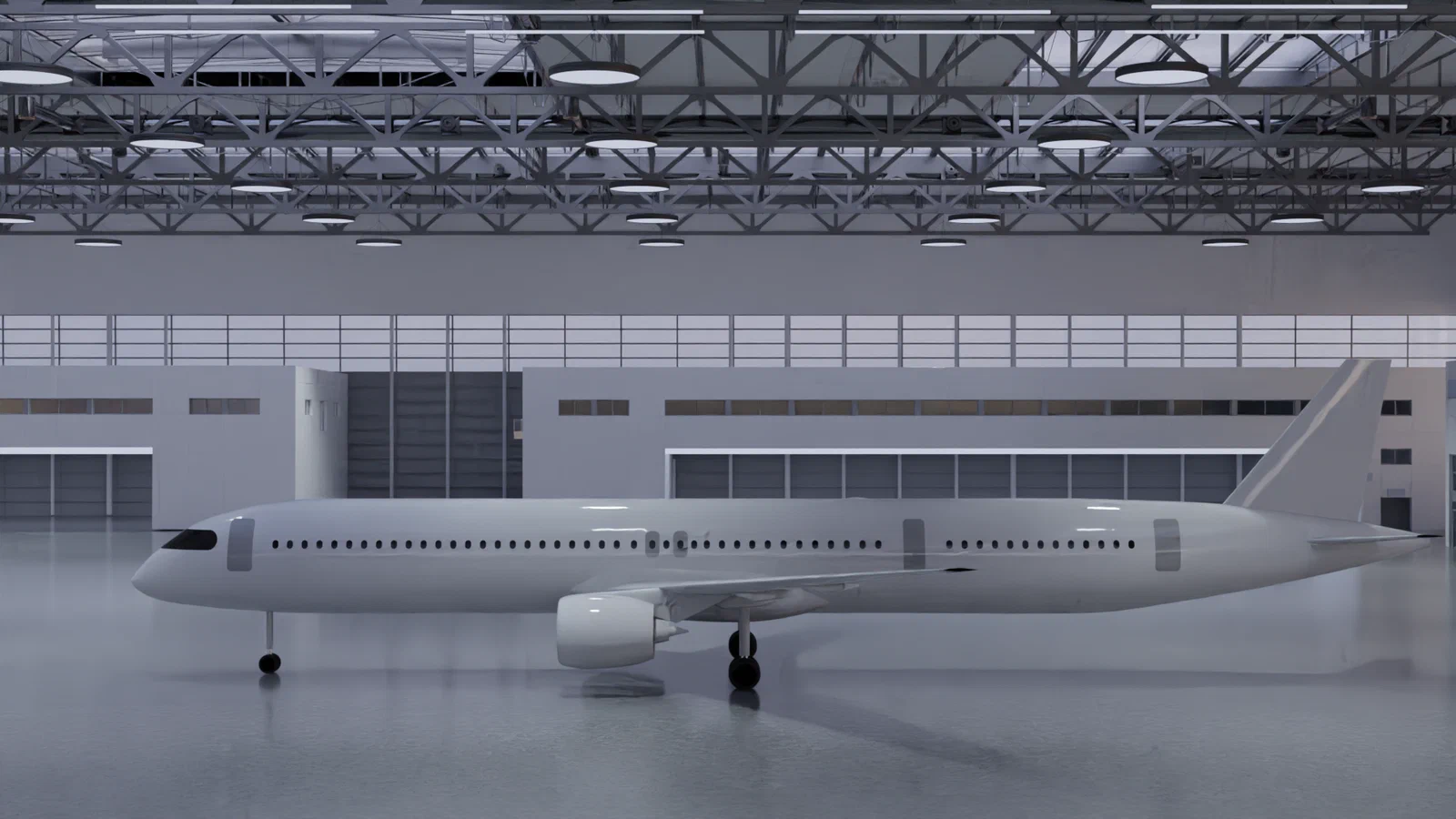
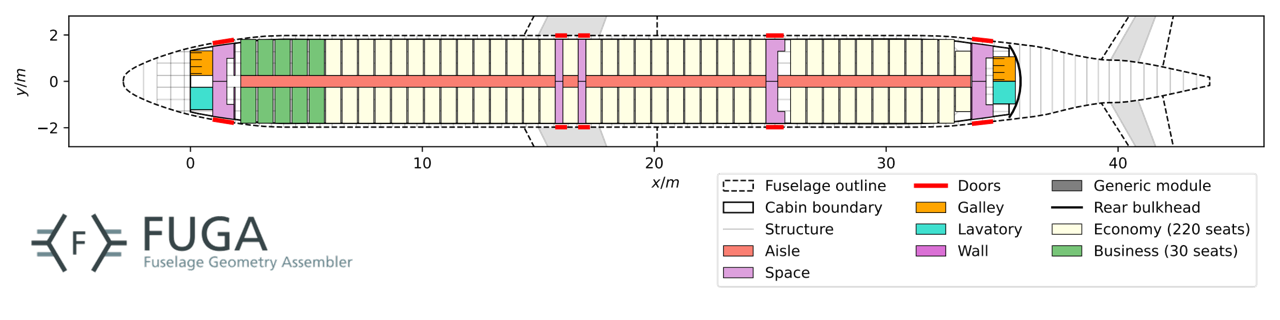
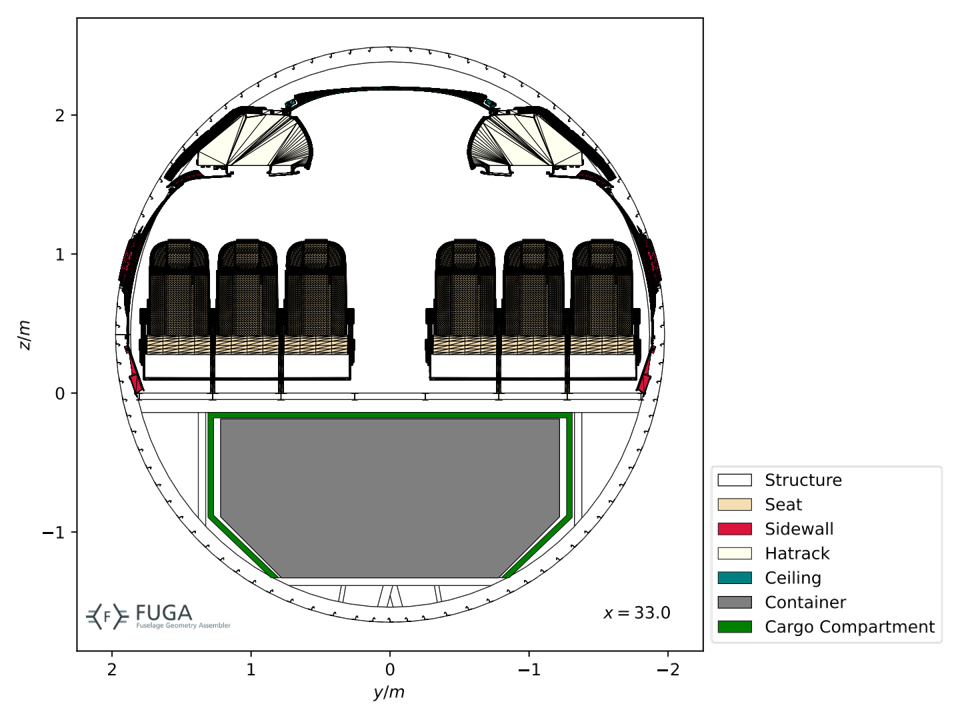
EXACT Turbofan Baseline

D250-TF-2040

Key Characteristics

Research Category
Baseline
Entry into Service
2040
Passengers
250
Range
2778 km
Wing Span
42 m
Maximum Take-Off Mass
80.9 t
Cruise Mach Number
0.78
Cruise Speed
832.7 km/h
Energy Carrier
Synth. Kerosene
Energy Consumption
13.2 kWh/pax/100 km
Total Installed Power
42 MW

Several features set this design apart from current short-haul aircraft. The aircraft is equipped with foldable wingtips, which improve aerodynamic efficiency while allowing the aircraft to still fit within the 36-meter gate limit at airports. The specific wing structure using carbon fibre reinforced polymer (CFRP) reduces the weight of the wing, which helps enhance performance.

It also incorporates an all-electric on-board system architecture, which is more reliable than conventional on-board system architectures and contributes to greater energy efficiency of the aircraft. Additionally, the aircraft uses an ultra-high bypass ratio turbofan engine, which improves fuel efficiency and reduces noise. To save weight and reduce maintenance costs, the turbofan engines have no thrust reverser which is subject to more detailed studies.

These design elements reflect an approach that combines current technologies with potential future improvements to make aviation more efficient and sustainable (both, economically and ecologically).

The most important differences to today’s short-haul aircraft are:

  1. Foldable wingtips to increase the aerodynamic efficiency.
  2. Carbon fibre reinforced polymer (CFRP) wing structure to reduce wing mass.
  3. All electric on-board system architecture.
  4. Ultra-high bypass ratio (~15) turbofan engine.

Advantages

  • Well-known evolutionary concept that represents a low-risk solution
  • Practically no changes to the global aviation system required
  • Smooth transition to sustainable aviation fuel through flexible blending between fossil and sustainable kerosene

Challenges

  • Limited climate impact reduction potential
  • Economic competitiveness with alternative propulsion, energy carriers and aircraft configurations in potential future ecological scenarios

Project & Partners

The aircraft was designed in the DLR-internal project EXACT as one of the most promising future aircraft concepts with the potential to reduce climate impact drastically, while being competitive. It was designed to enter into service in 2040.

Outlook

This aircraft concept is primarily intended as a research baseline. For this reason, it uses mainly conventional technologies that do not present major uncertainties. However, some specific technologies, such as the wing folding mechanism and the non-thrust-reversing engines, should be investigated in more detail.
Key Characteristics

Mission and requirements

Design Range
1500 (2778) NM (km)
Design Passenger Capacity
250
Design Cruise Mach Number
0.78
Entry into Service Year
2040
Distance to alternate Airport
200 NM
Loiter Time
30 min
Contingency
3%

Performance

Take-off-Field-Length
1900 m
Approach Speed
140 kts (CAS)
Max Operating Altitude
41000 ft
Min. Climb Rate
300 ft/min

Masses

Max. Take-Off Mass (MTOM)
80.9 t
Operating Empty Mass (OEM)
48.0 t
Max. Landing Mass
75.9 t
Maximum Fuel Mass
19.1 t
Max. Payload
25 t

Geometry and cabin

Wing Span (unfolded)
42.0 m
Wing Span (folded)
36.0 m
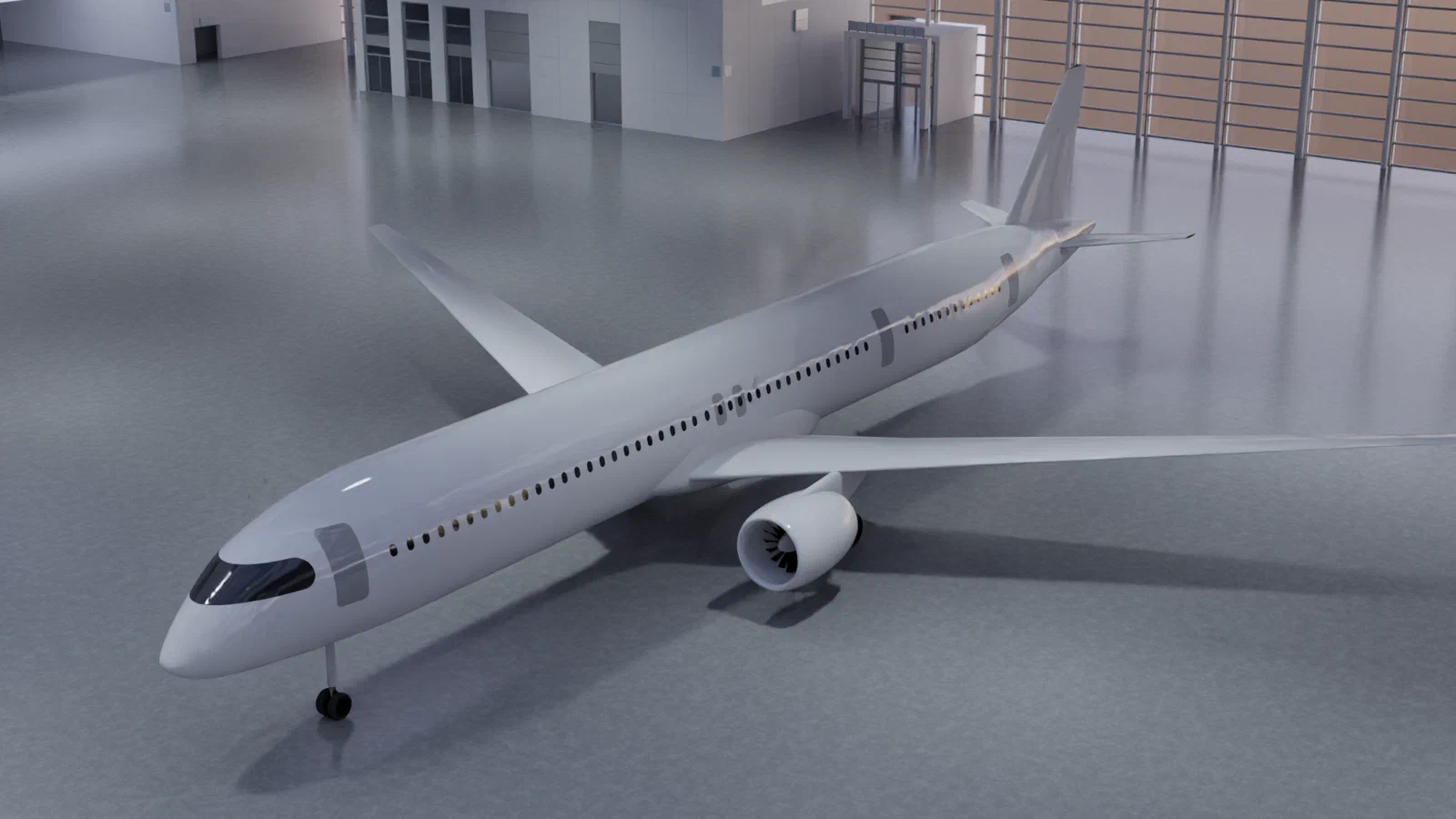
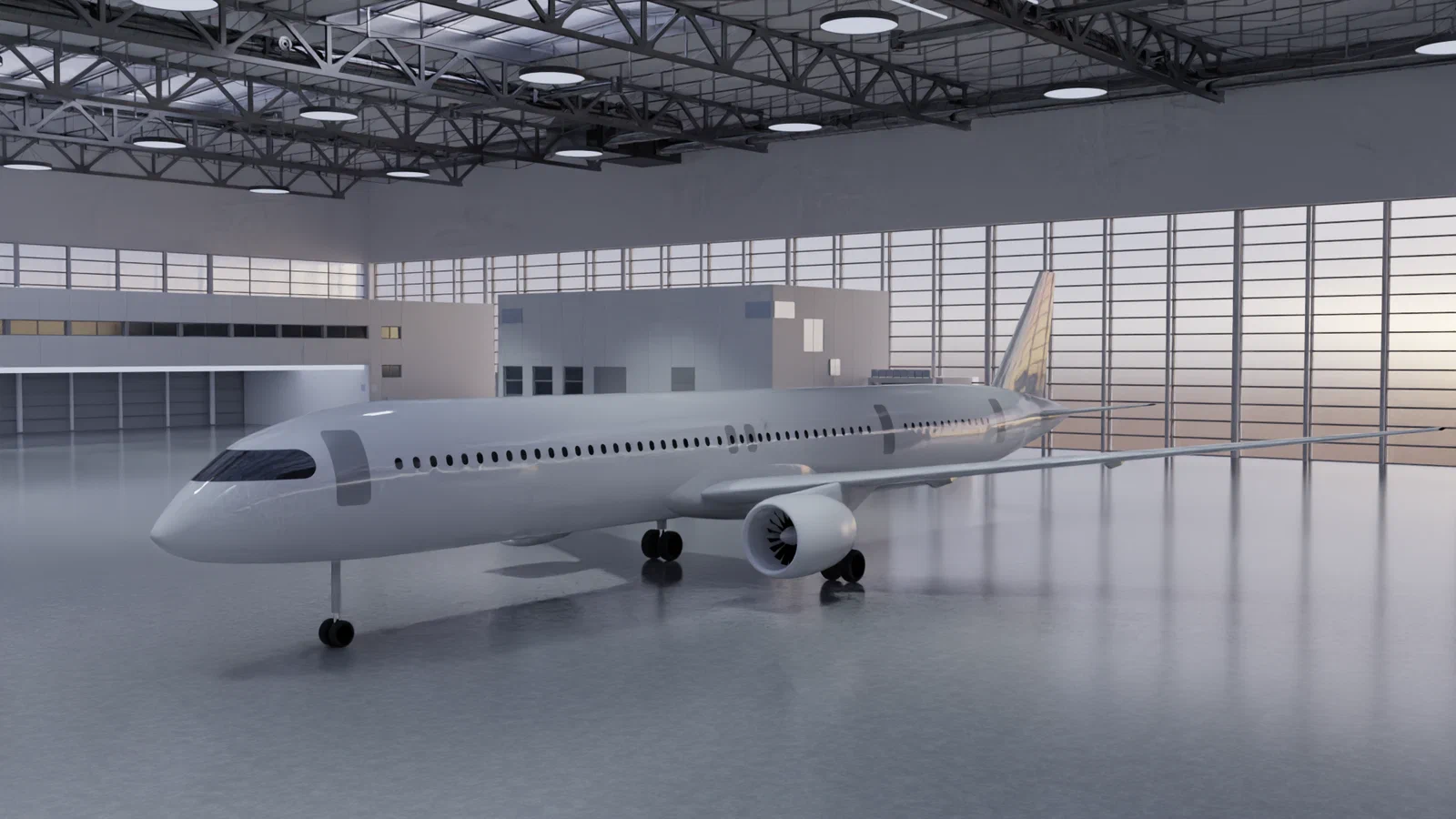
Passenger Seats Abreast
6

Propulsion and energy

Propulsion Architecture
Turbofan
Energy Carrier
Fossil or Synthetic Kerosene

Energy consumption

Block-Energy (at Design Mission)
301.6 GJ
Block-Energy (at Evaluation Mission, 500NM)
124.7 GJ
Block-Energy per Pax and NM (at Design Mission, high density)
0.804 MJ/PAX/NM
Block-Energy per Pax and NM (at Evaluation Mission, high density)
0.998 MJ/PAX/NM

Mass Breakdown

Share of the maximum take-off mass (MTOM 80.9 t)
Fuselage Structure 15.4 % · 12.47 t
Wing 10.5 % · 8.48 t
Engine 8.2 % · 6.67 t
OIM 8.2 % · 6.63 t
System 6.5 % · 5.25 t
Furnishing 4.8 % · 3.91 t
Landing Gear 3.5 % · 2.86 t
Pylon 1.1 % · 0.87 t
VTP 0.5 % · 0.42 t
HTP 0.5 % · 0.39 t
Fuel Block 8.4 % · 6.82 t
Fuel Reserve 3.0 % · 2.43 t
PAX 29.3 % · 23.72 t
Cargo 0.0 % · 0.00 t

Payload-Range Diagram

Payload over range
Payload-range limit Study missions
Show data as table
PointRange (NM)Range (km)Payload (t)
Limit0025.00
Limit1,1802,18525.00
Limit4,1847,74813.94
Limit5,0479,3480.00
Study mission15027823.75
Study mission30055623.75
Study mission50092623.75
Study mission8001,48223.75
Study mission1,2002,22323.75
Study mission1,5002,77823.75

Cabin layout

EXACT Turbofan Baseline – cab_lopa

Cabin cross-section

EXACT Turbofan Baseline – cab_section