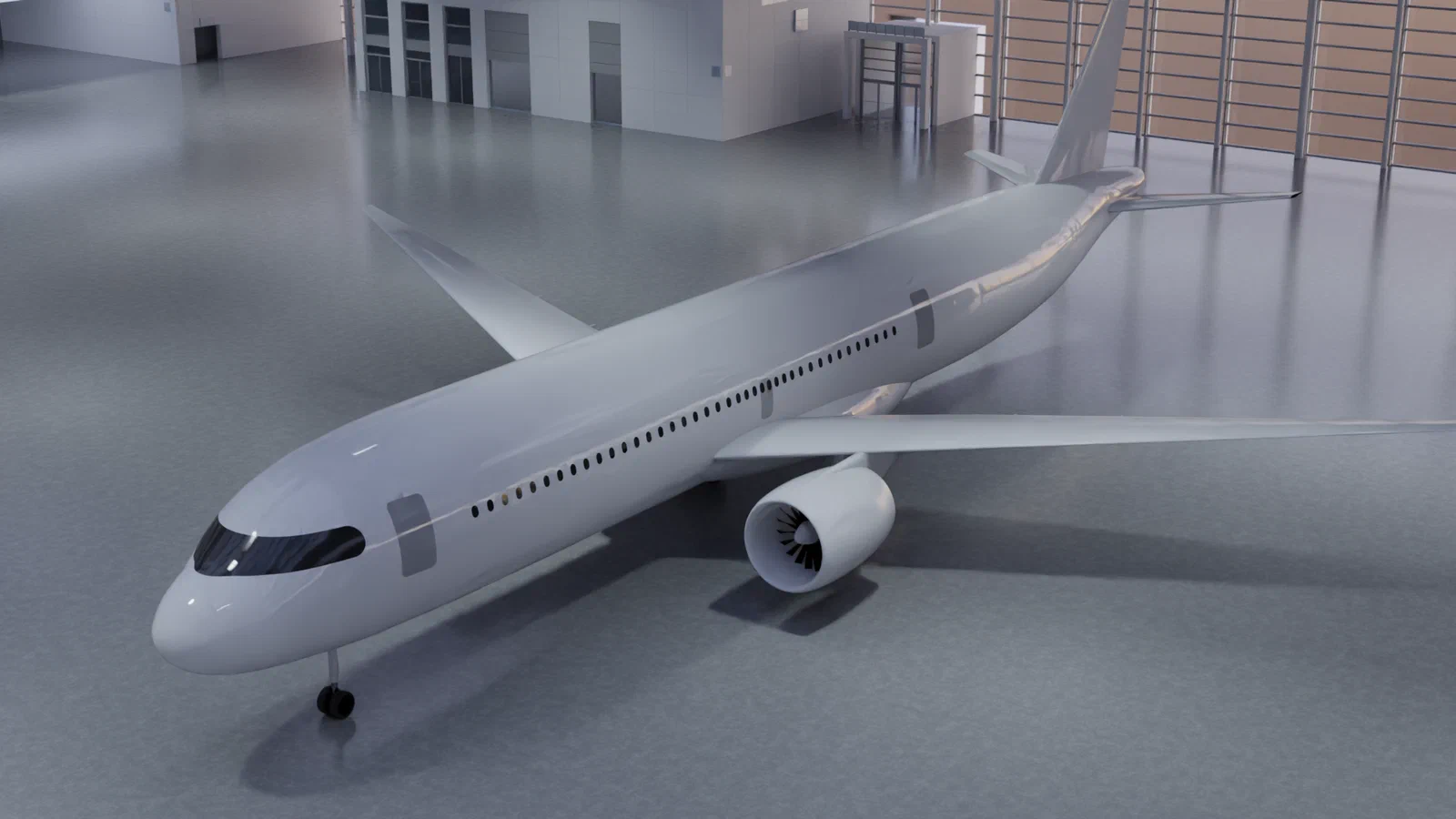
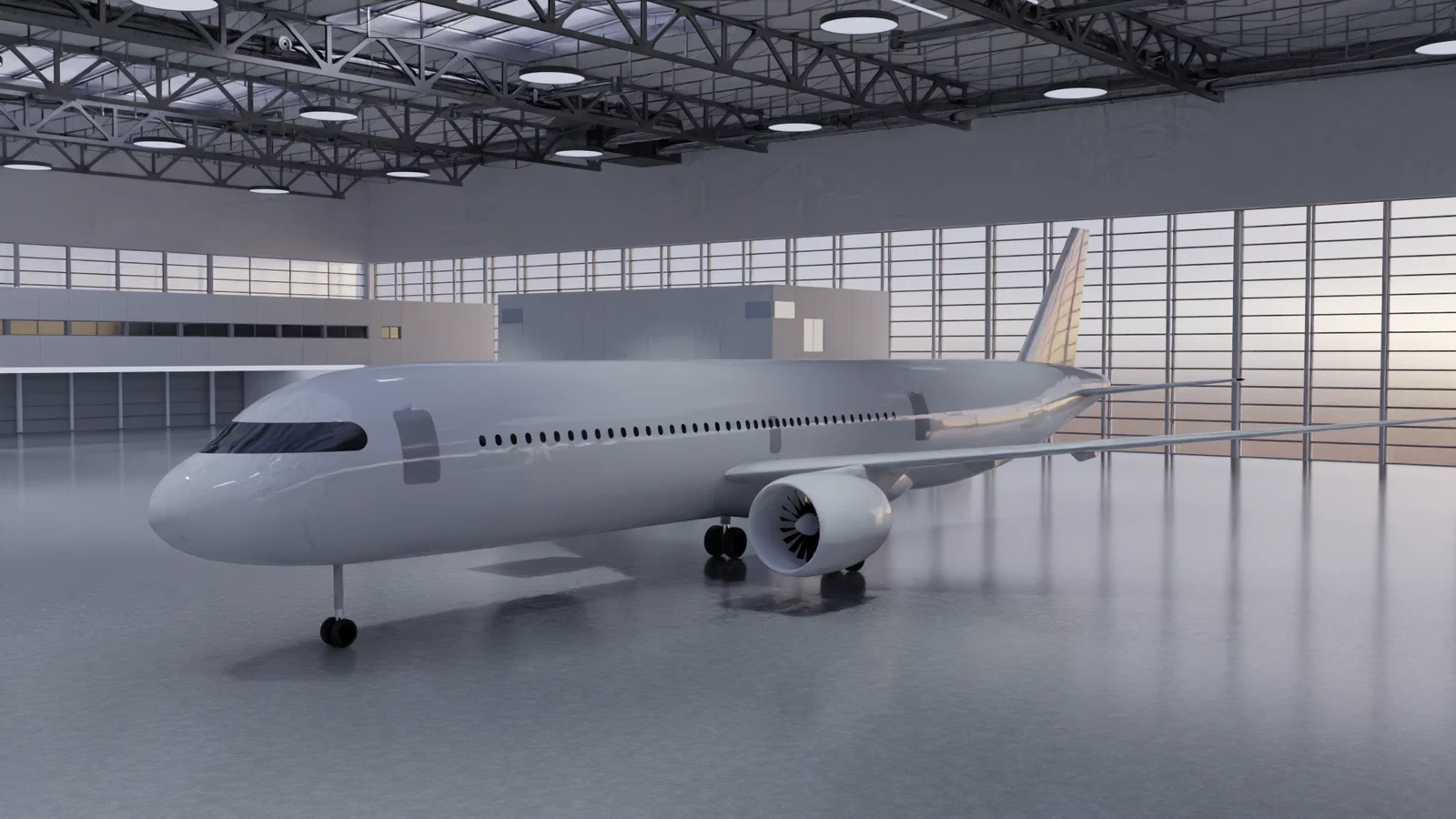
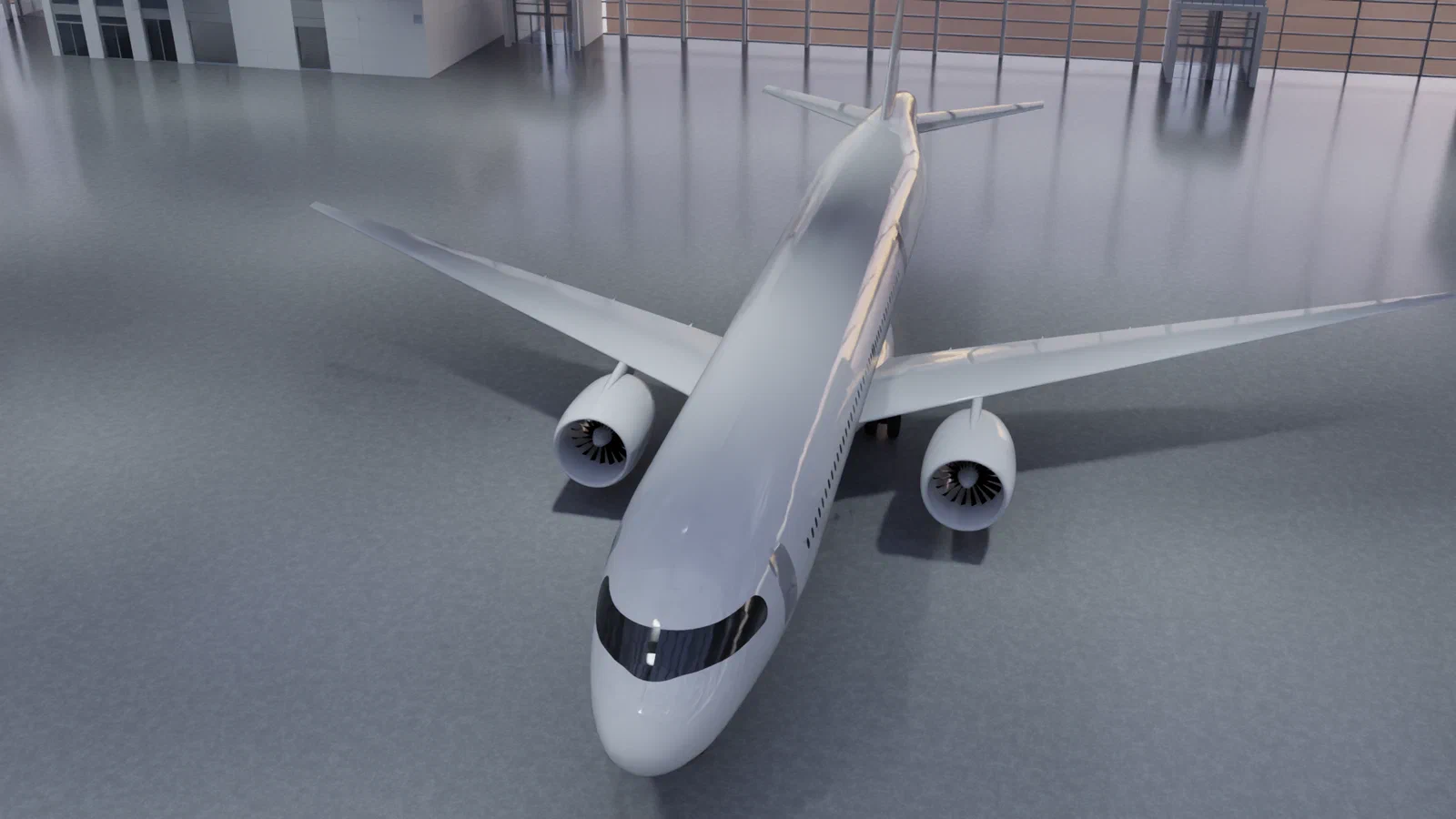
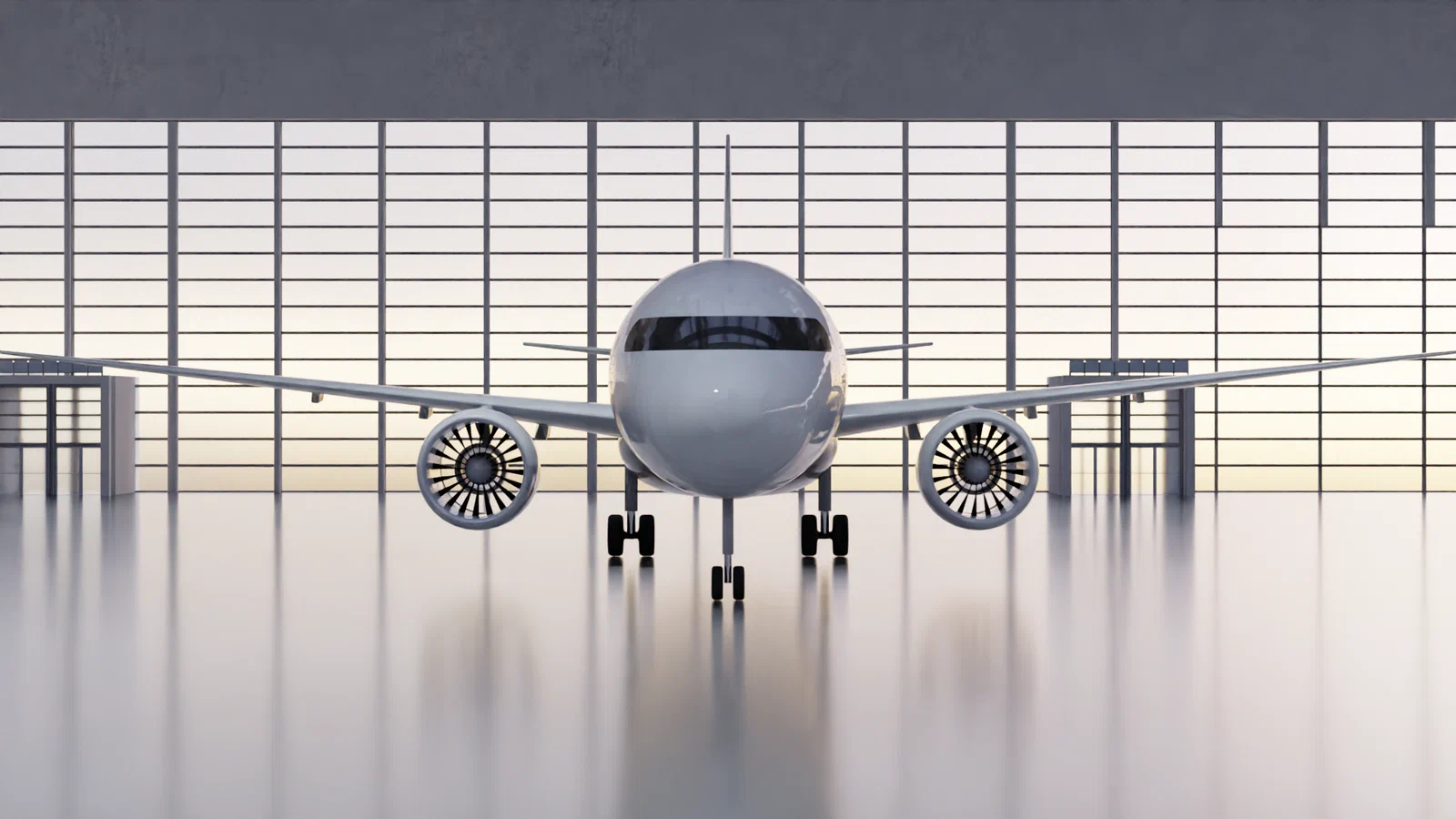
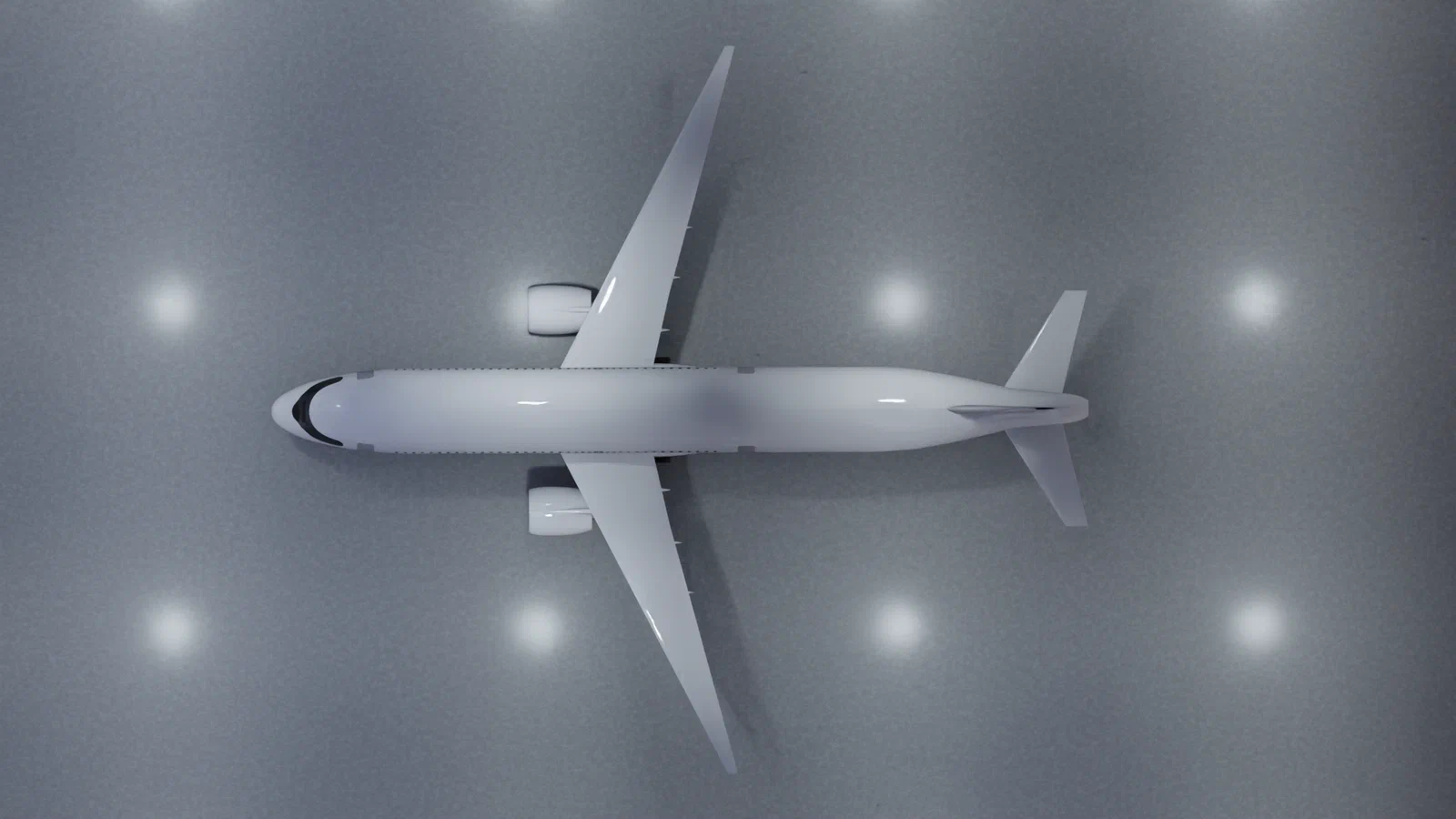
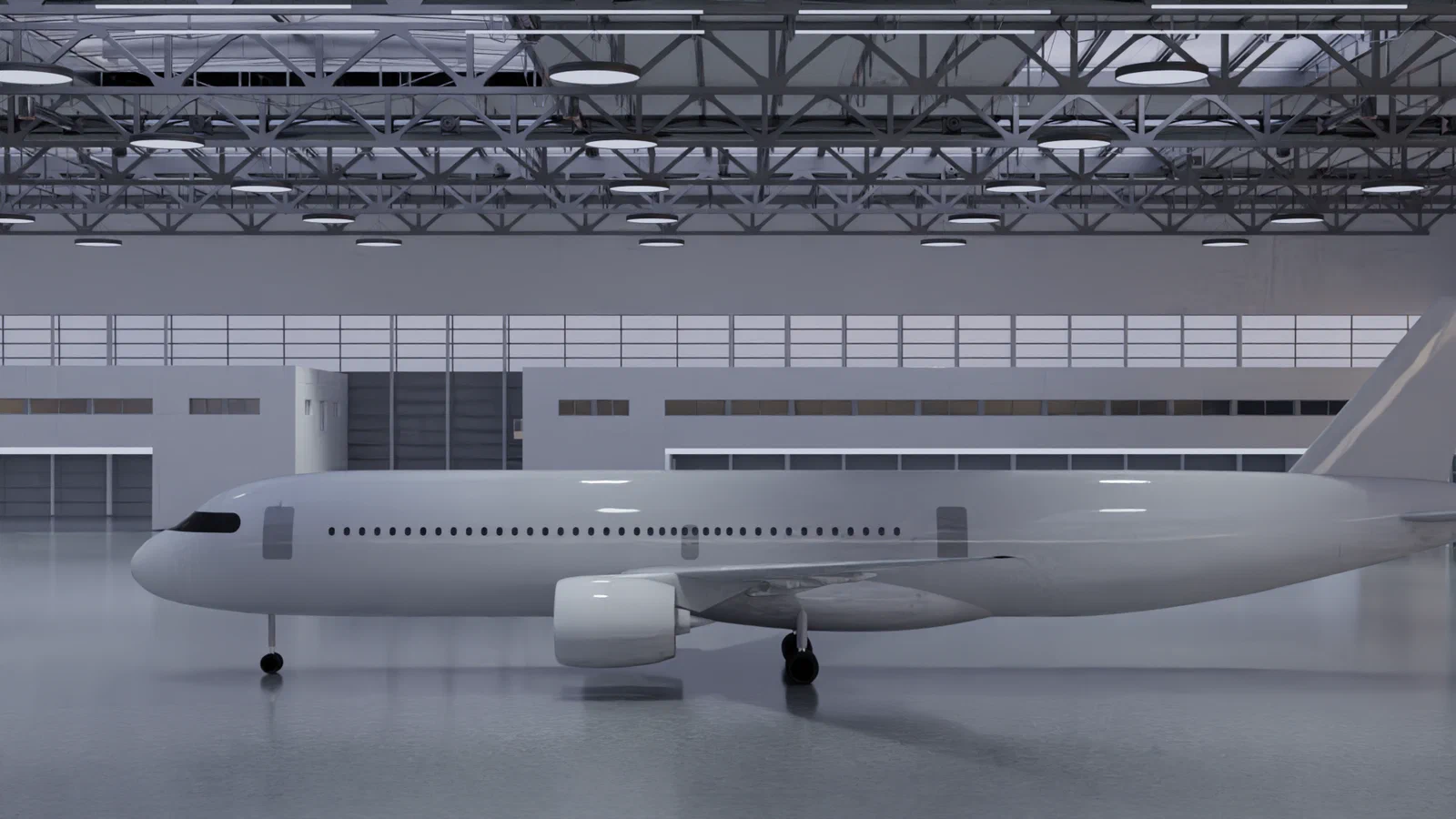
The DLH25 introduces several advancements compared to today’s short-haul aircraft. The most notable one is its use of liquid hydrogen (LH2) as its primary energy source, instead of kerosene. To improve aerodynamic efficiency, the aircraft features an extended wingspan of 45 metres (instead of the usual 36 metres). This reduces drag and enhances performance.
The wing structure is made from carbon-fiber-reinforced polymer, a lightweight material that helps to lower the overall mass of the aircraft without compromising strength. Additionally, the DLH25 is equipped with an ultra-high bypass ratio turbofan engine, which significantly improves fuel efficiency and reduces emissions compared to traditional engines.
Hydrogen fuel tanks are integrated into the rear fuselage, instead of into the wing as it is usually the case with kerosene.
By providing a common LH2 aircraft definition the DLH25 concept contributes to advancing sustainable aviation technologies.
Project & Partners
This aircraft concept has been developed to support various research initiatives, including Clean Aviation by the European Union, Germany’s federal aviation research programme LuFo Klima and DLR internal projects.
Outlook
The aircraft concept is currently developed further at a more detailed level as part of the Clean Aviation project SMR ACAP, with an updated version anticipated at the end of the project in 2026. This will include latest technology findings.