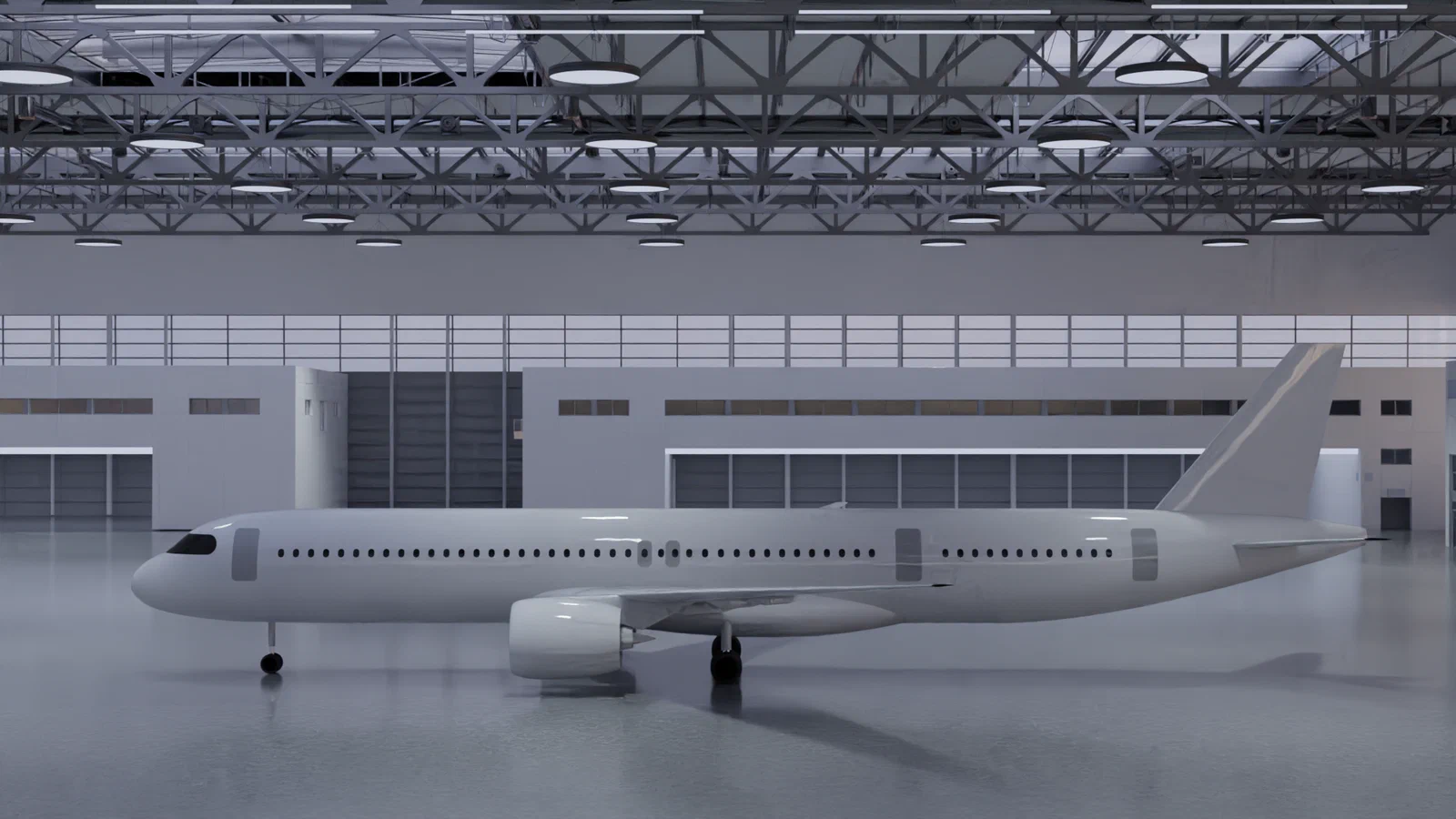
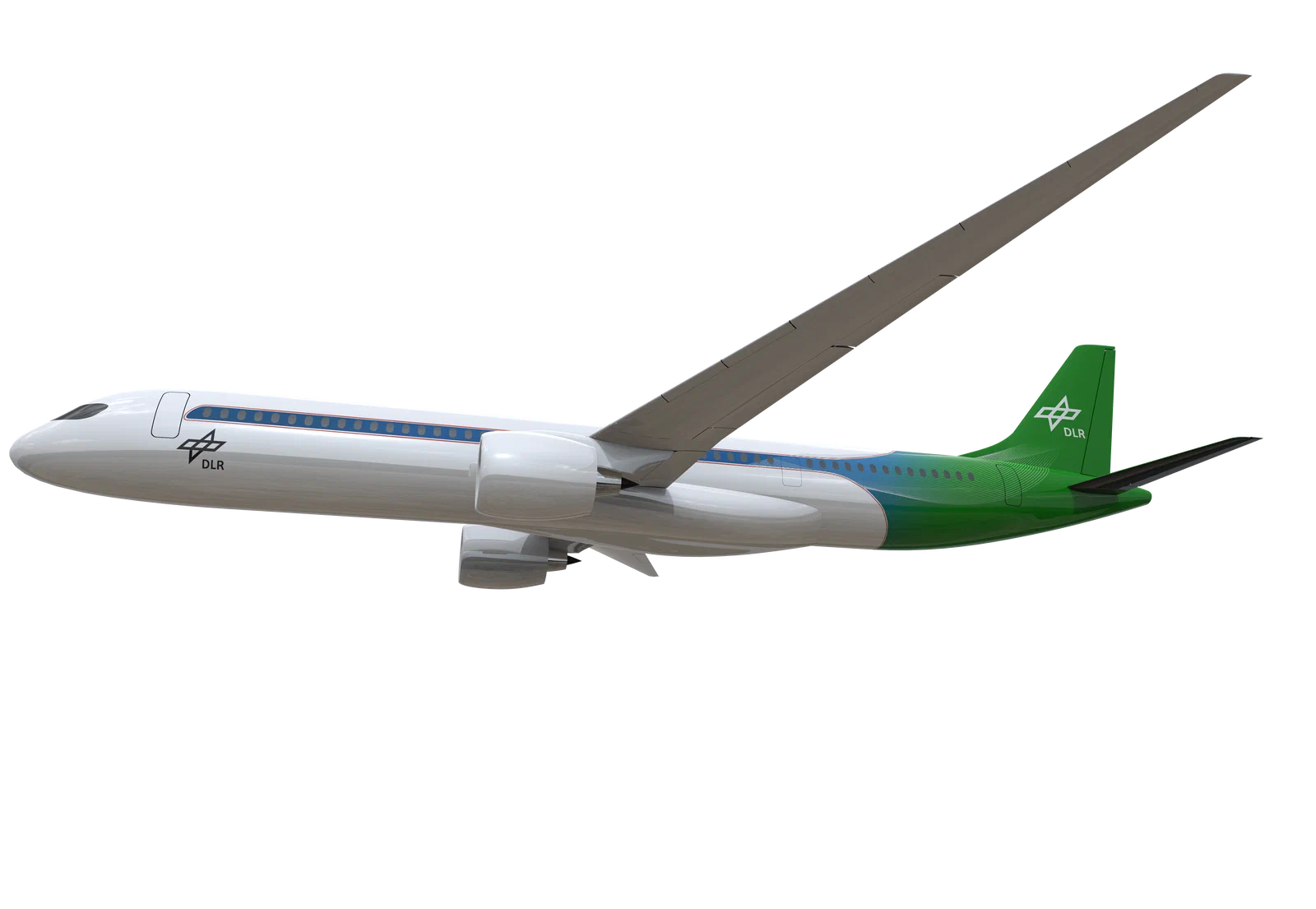
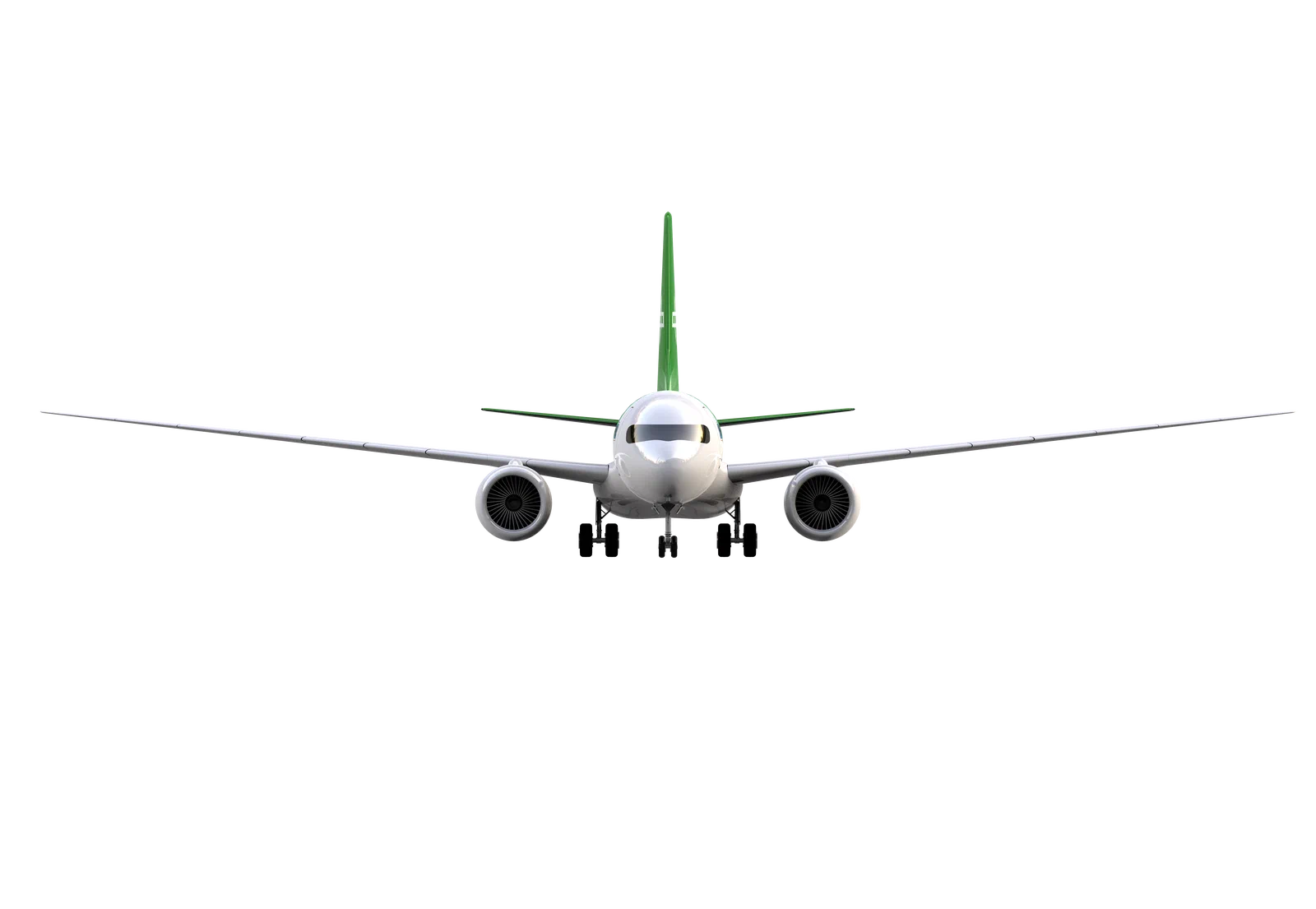
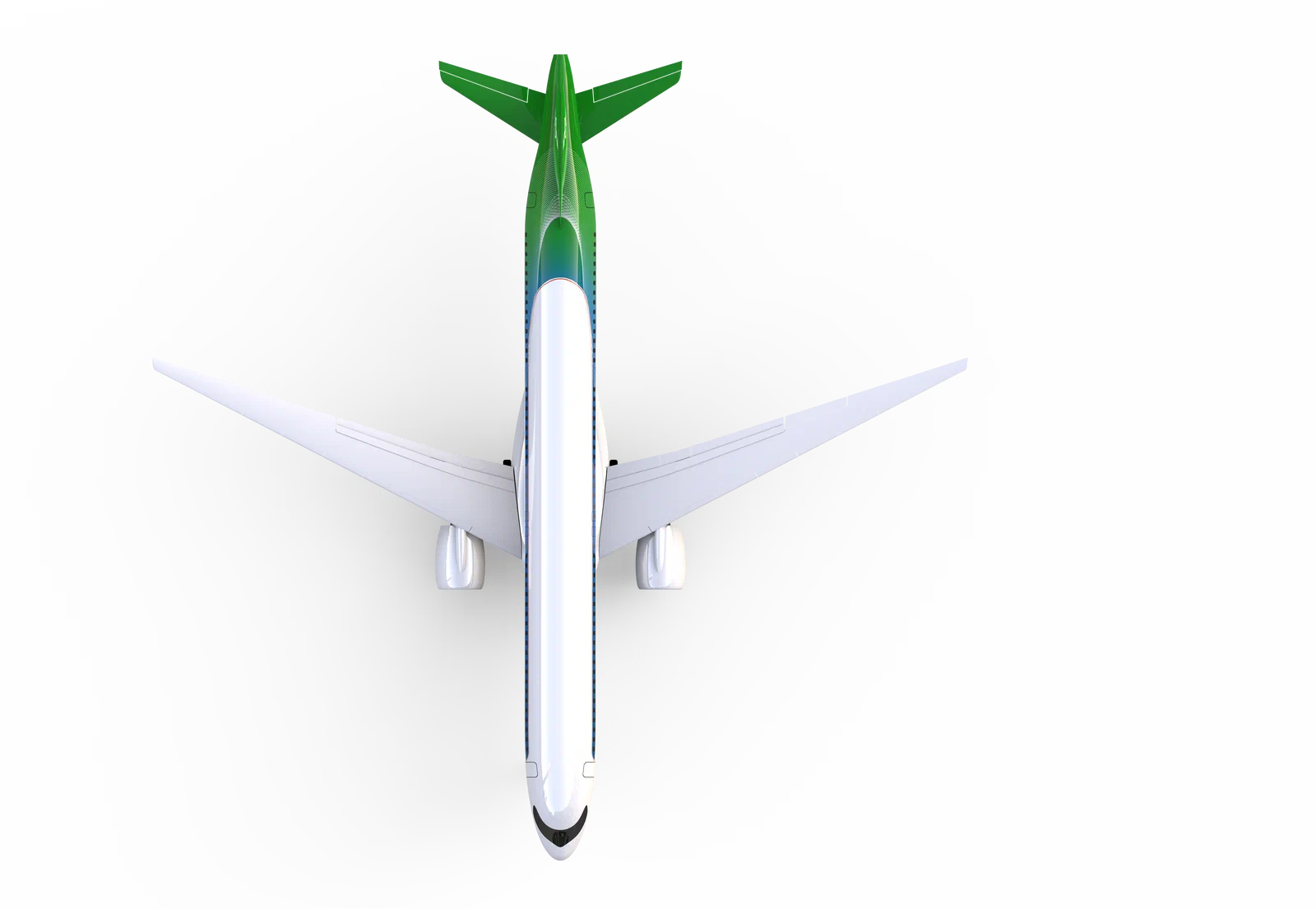
DLR-F25

DLR Research Baseline F25

Key Characteristics

Research Category
Baseline
Entry into Service
2035
Passengers
239
Range
4630 km
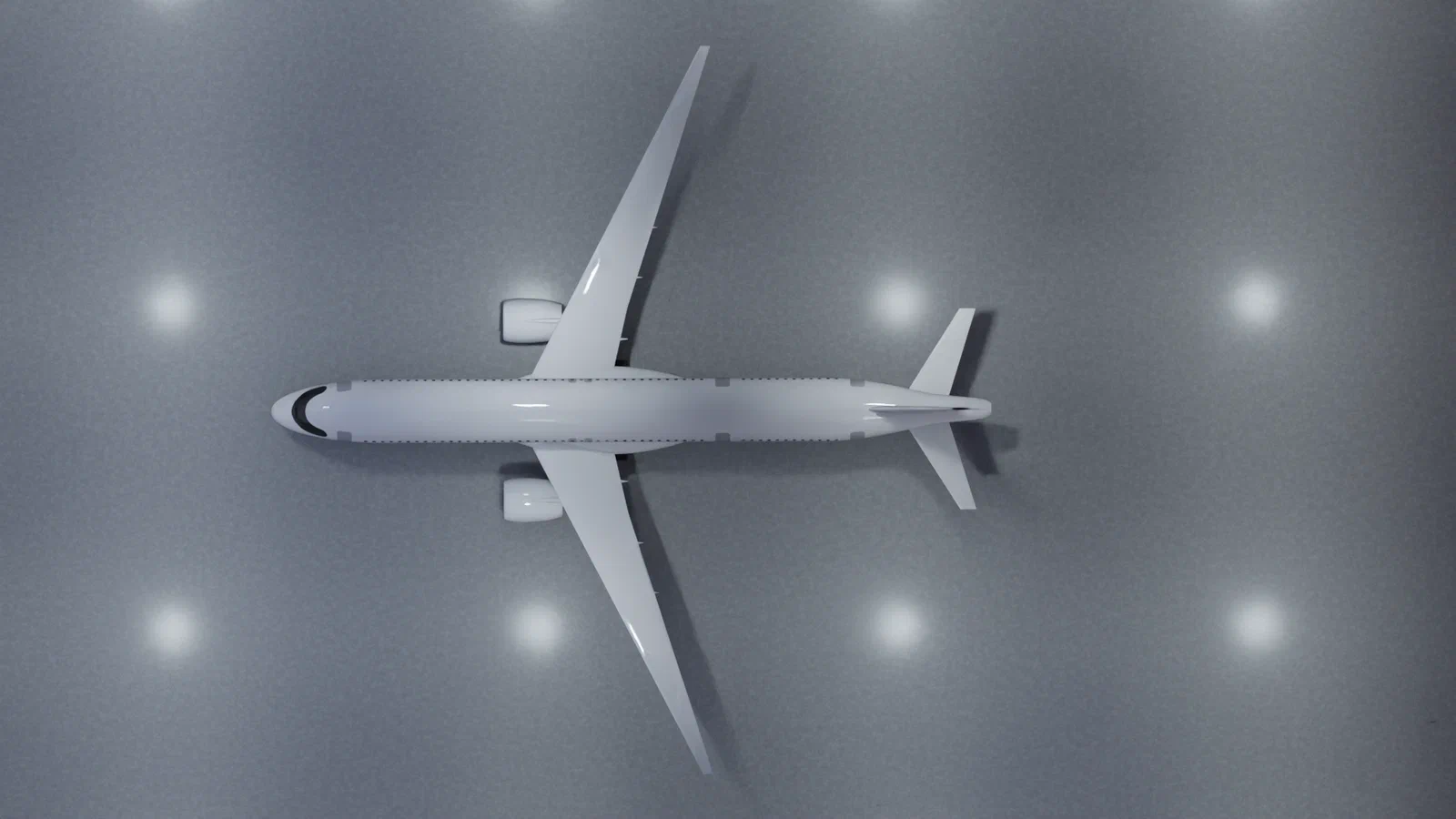
Wing Span
45 m
Maximum Take-Off Mass
85.7 t
Cruise Mach Number
0.78
Cruise Speed
828.5 km/h
Energy Carrier
Synth. Kerosene
Energy Consumption
13.6 kWh/pax/100 km
Total Installed Power
34.4 MW

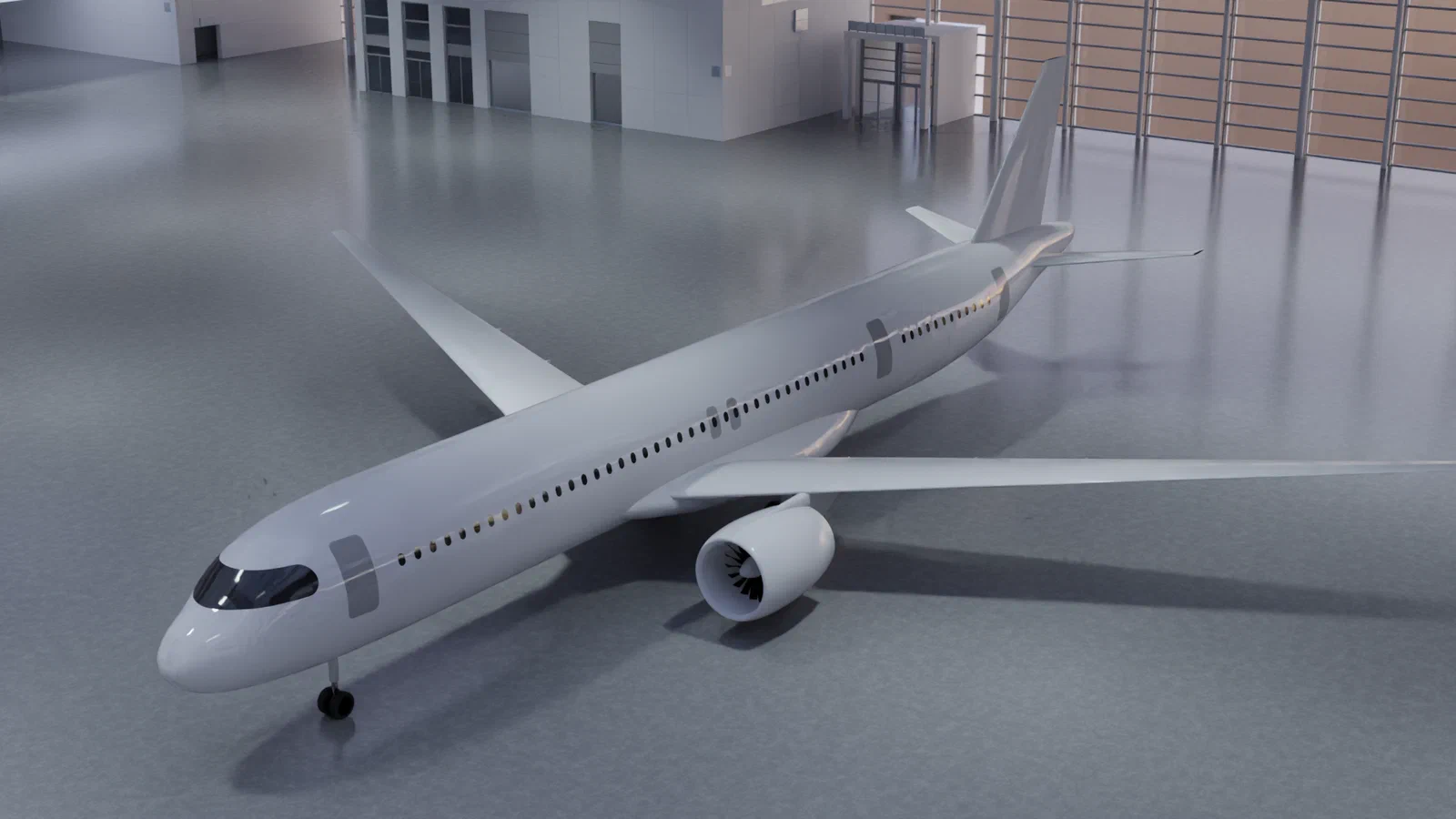
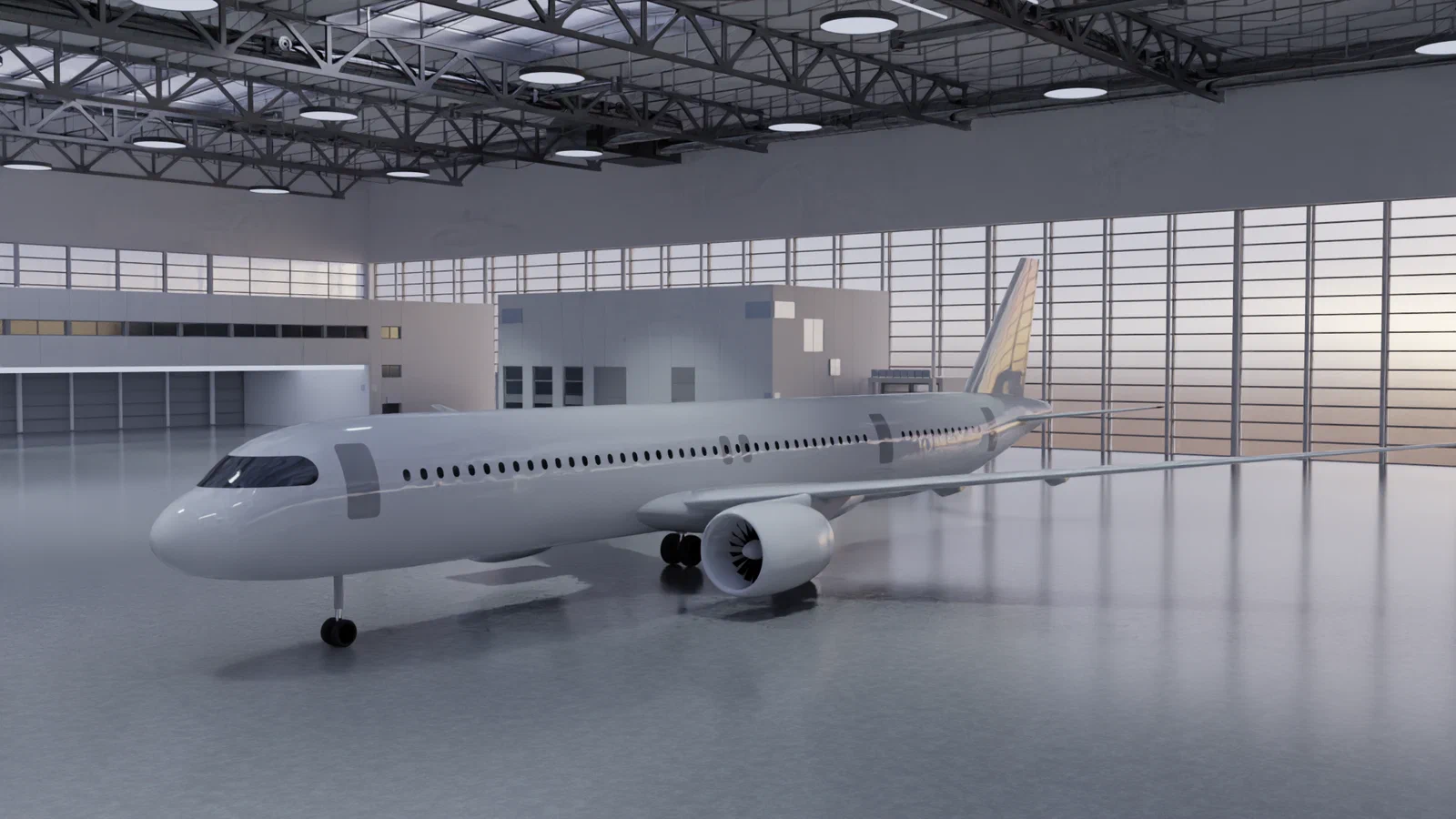
The DLR-F25 configuration is intended to be the starting point for various research projects within Clean Aviation, the German funded research programme LuFo and DLR internal projects.

It originates from the LuFo project VirEnfREI studying very high aspect ratio wing and ultra high bypass ratio engines.

In the scope of the research projects like ACAP, UPWing, Airtime, the structural and aerodynamic wing design as well as advanced on-board systems, advanced load alleviation systems and engine design are studied in detail.

To establish the DLR-F25 as a common research baseline, a consistent definition of requirements, the design process and rationale as well as aircraft characteristics are introduced and documented.

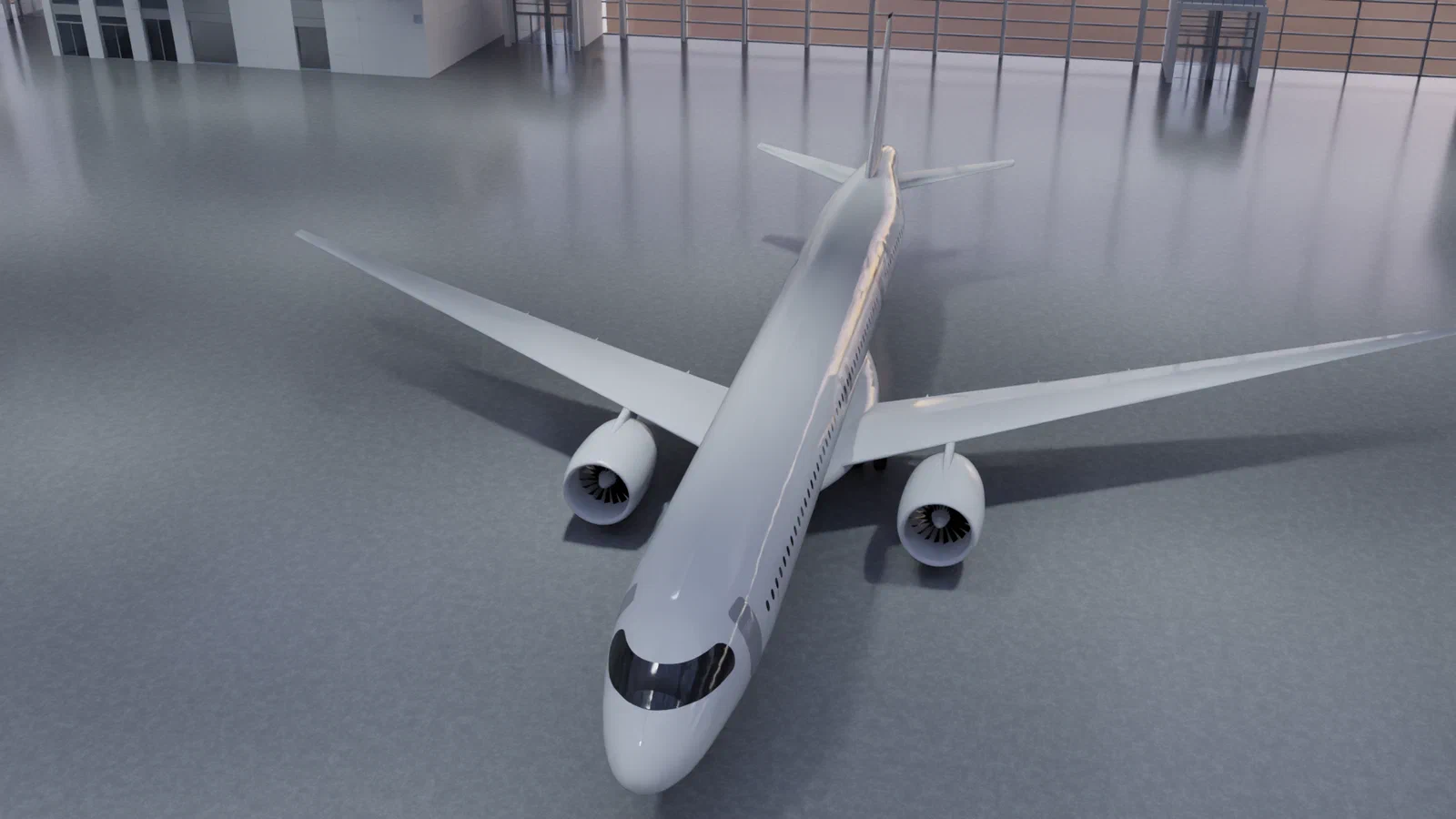
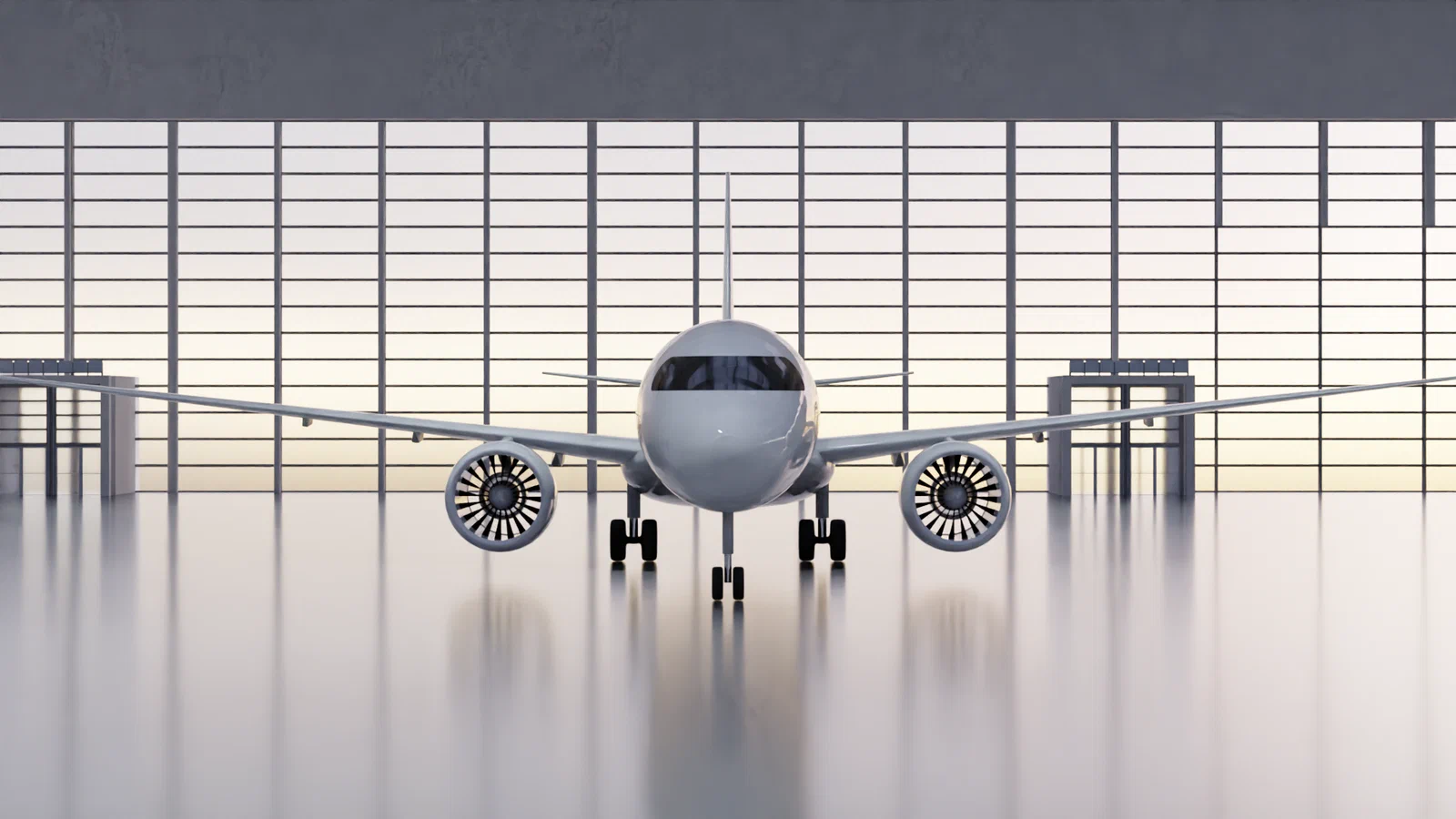
The most important differences to today’s short-haul aircraft are:

  1. Foldable wingtips to increase the aerodynamic efficiency and still fit into the 36m gate limit.
  2. Carbon fiber reinforced polymer (CFRP) wing structure to reduce wing mass featuring advanced load allevation.
  3. Advanced on-board system architecture.
  4. Ultra-high bypass ratio (~15) turbofan engine.

Advantages

  • Challenging wing design with the potential to highly improve efficiency
  • Further improvement potential through hybrid propulsion technologies or open fan architecture
  • Direct replacement for current single aisle fleet due to consistent TLARs
  • Smooth transition to sustainable aviation fuel through flexible blending of fossil kerosene and synthetic kerosene

Challenges

  • Less climate impact reduction potential than alternative energy carrier options
  • Efficiency of wing technology yet uncertain

Project & Partners

The DLR-F25 originates from the VirEnfREI project of the German Federal Aerospace Research Programme LuFo.
It is subject to further research and more detailed technological development in the scope of various research projects at national and EU-level in collaboration with partners from industry, academia and research organisations. Highlight projects are the EU Clean Aviation projects ACAP and UPWing, and the LuFo project AirTiMe.

Outlook

Further research will cover the maturation and validation of the aircraft design and in particular the wing design. Therefore, a wind tunnel test is scheduled for June 2025 within the VirEnfREI project.

Key Characteristics

Mission and requirements

Design Range
2500 (4630) NM (km)
Design Passenger Capacity
239
Design Cruise Mach Number
0.78
Entry into Service Year
2035
Distance to alternate Airport
200 NM
Loiter Time
30 min
Contingency
3%

Performance

Take-off-Field-Length
2200 m
Approach Speed
136 kts (CAS)
Max Operating Altitude
41000 ft
Min. Climb Rate
300 ft/min

Masses

Max. Take-Off Mass (MTOM)
85.7 t
Operating Empty Mass (OEM)
46.3 t
Max. Landing Mass
74.2 t
Maximum Fuel Mass
16.7 t
Max. Payload
25 t

Geometry and cabin

Wing Span (unfolded)
45.0 m
Wing Span (folded)
36.0 m
Passenger Seats Abreast
6

Propulsion and energy

Propulsion Architecture
Turbofan
Energy Carrier
Fossil or Synthetic Kerosene

Energy consumption

Block-Energy (@ Design Mission)
521.7 GJ
Block-Energy (@ Evaluation Mission, 800NM)
178.1 GJ
Block-Energy per Pax and NM (@ Design Mission, high density)
0.873 MJ/PAX/NM
Block-Energy per Pax and NM (@ Evaluation Mission, high density)
0.931 MJ/PAX/NM

Mass Breakdown

Share of the maximum take-off mass (MTOM 85.7 t)
Fuselage Structure 13.1 % · 11.26 t
Wing 9.2 % · 7.87 t
Engine 8.9 % · 7.59 t
OIM 8.1 % · 6.93 t
System 5.7 % · 4.91 t
Furnishing 4.2 % · 3.60 t
Landing Gear 2.6 % · 2.21 t
Pylon 1.1 % · 0.92 t
VTP 0.6 % · 0.50 t
HTP 0.6 % · 0.48 t
Fuel Block 13.9 % · 11.93 t
Fuel Reserve 2.9 % · 2.48 t
PAX 26.5 % · 22.71 t
Cargo 2.7 % · 2.30 t

Payload-Range Diagram

Payload over range
Payload-range limit Study missions
Show data as table
PointRange (NM)Range (km)Payload (t)
Limit0025.00
Limit2,4924,61625.00
Limit3,0115,57522.79
Limit3,9107,2420.00
Study mission8001,48222.71
Study mission2,5004,63025.00

References

Establishing the DLR-F25 as a Research Baseline Aircraft For the Short-Medium Range Market in 2035.

S. Wöhler, J. Häßy, V. Kriewall

Phased high-fidelity aerodynamic design from scratch of a very high-aspect ratio narrow-body airliner.

C. Ilic, P. Wegener, J. R. Bailo, J. Himisch, S. Geisbauer, F. Lange-Schmuckall, and S. Wöhler

Structural aspects of the high aspect ratio wing: DLR-F25.

S. Dähne, T. KLimmek, A. Schuster, M. Schulze, C. Hühne