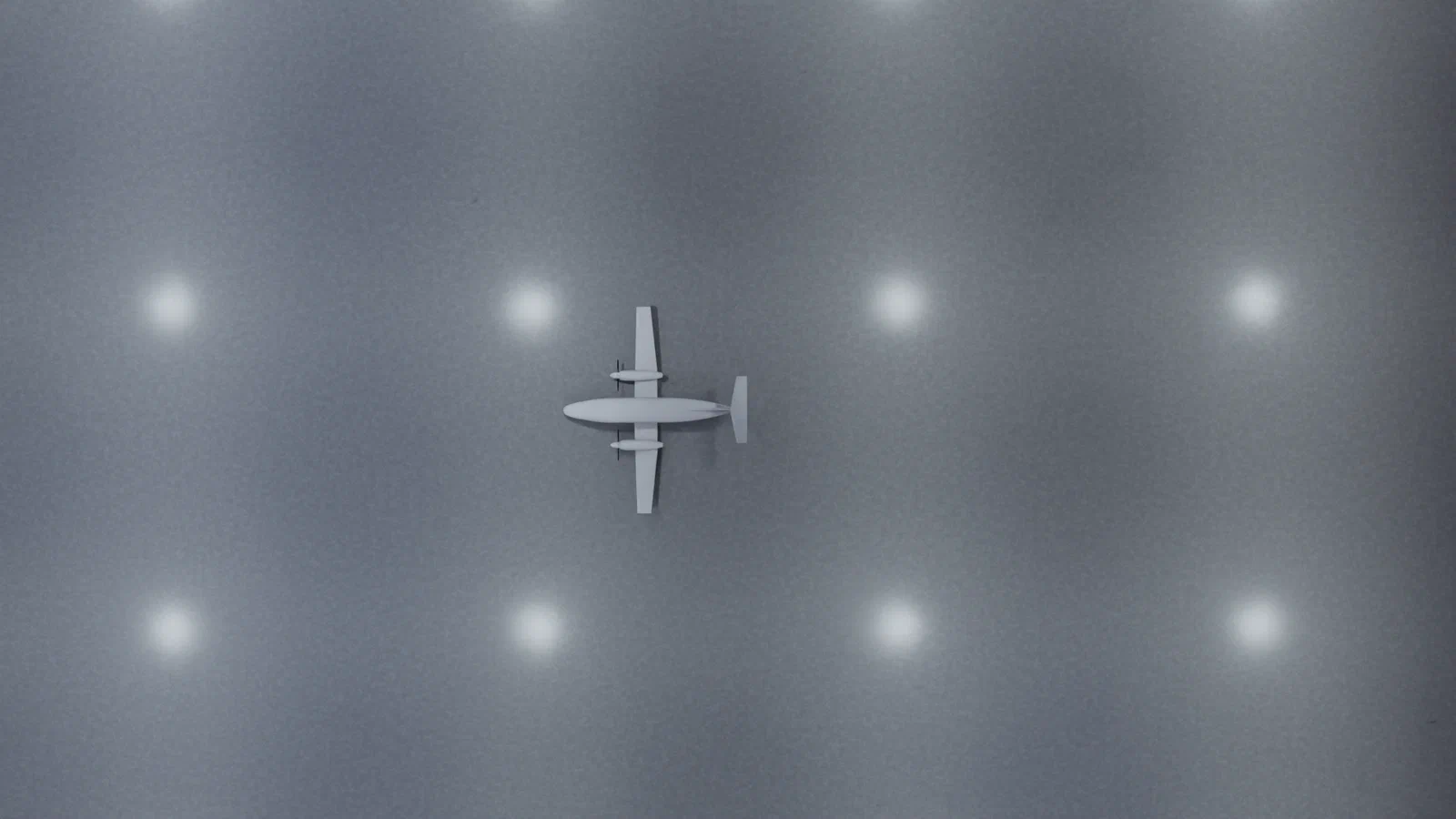
The most important differences to today’s short-haul aircraft are:
None, the Commuter Aircraft is an interpretation of a current aircraft.
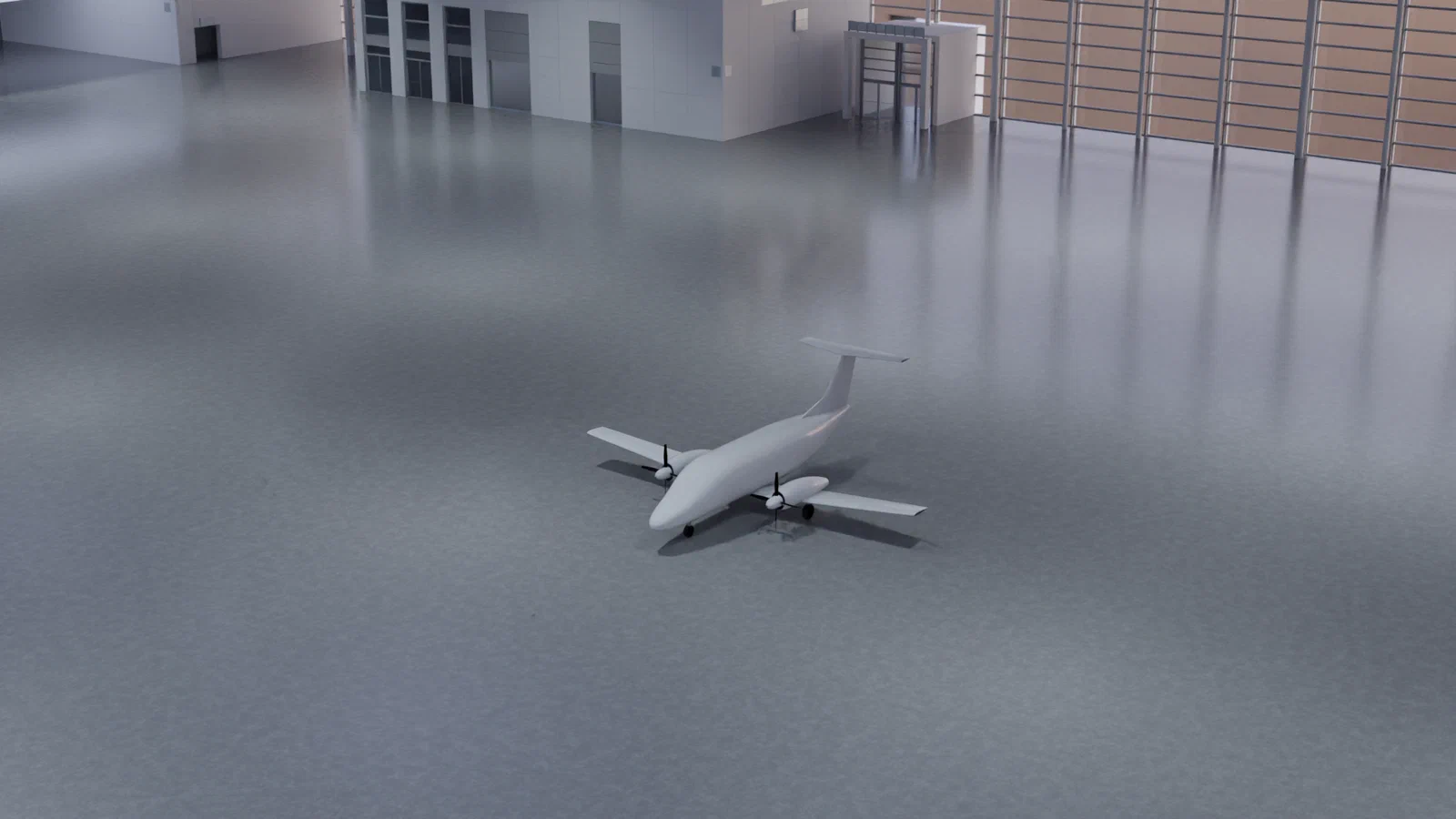
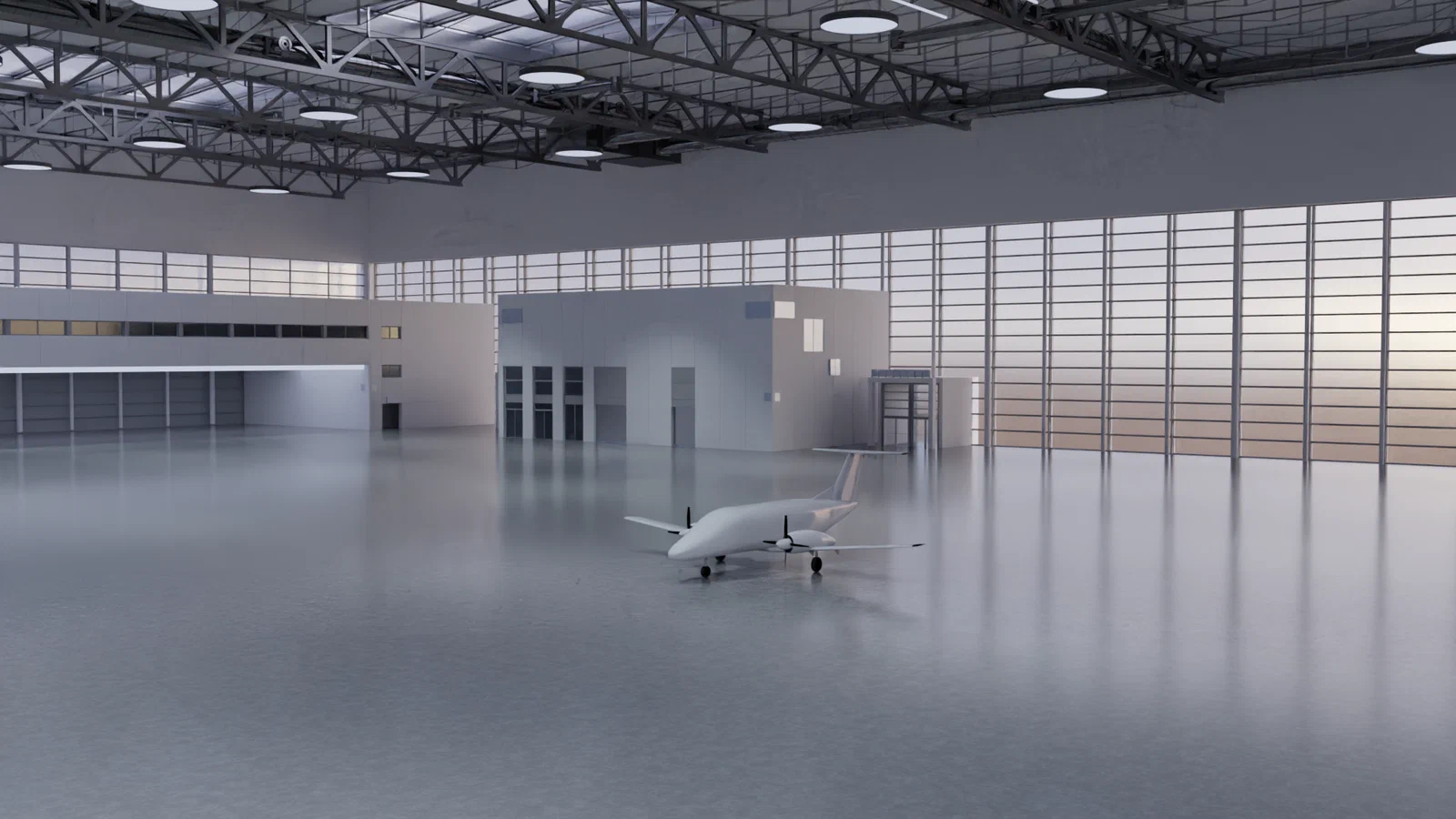
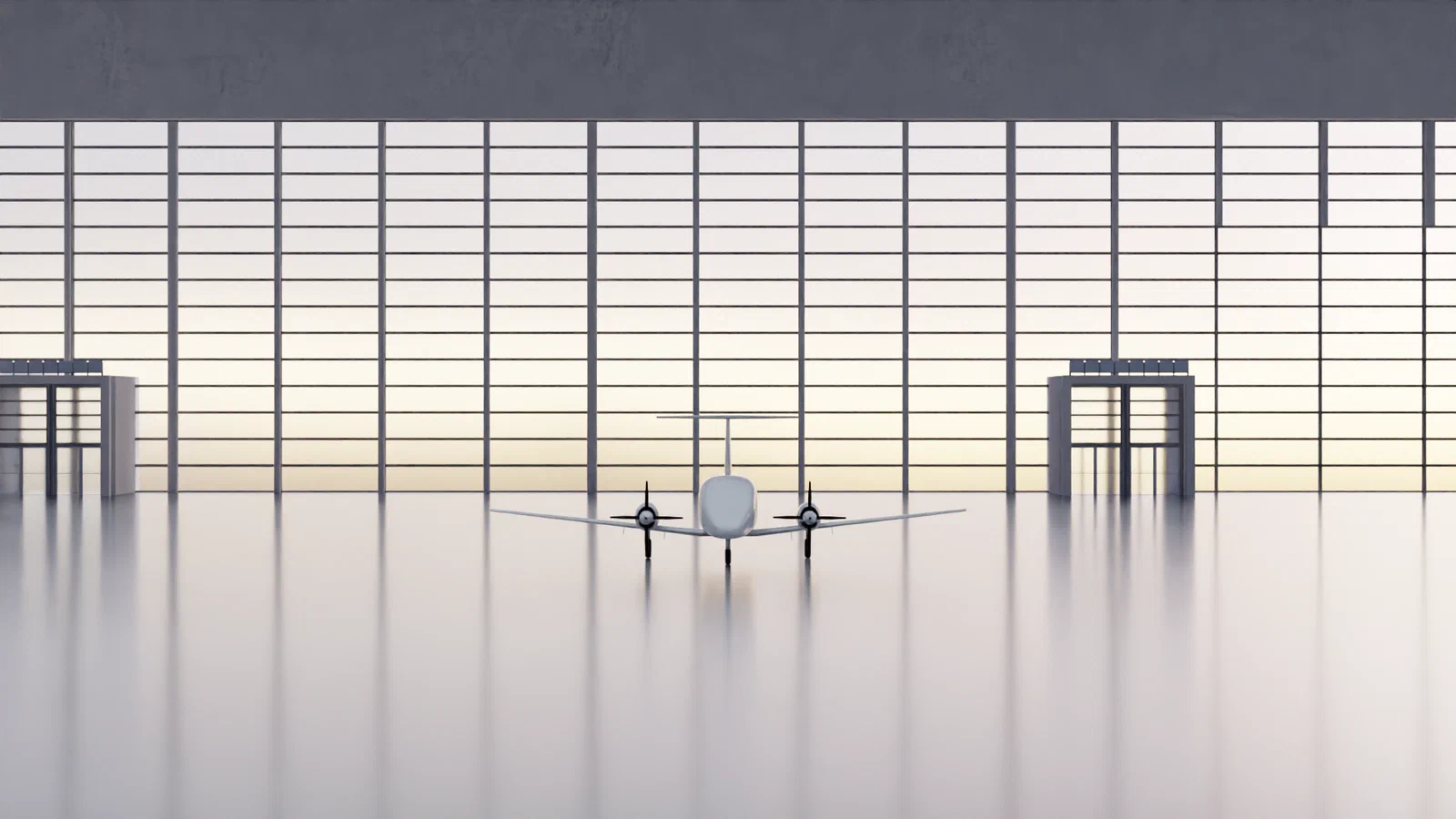
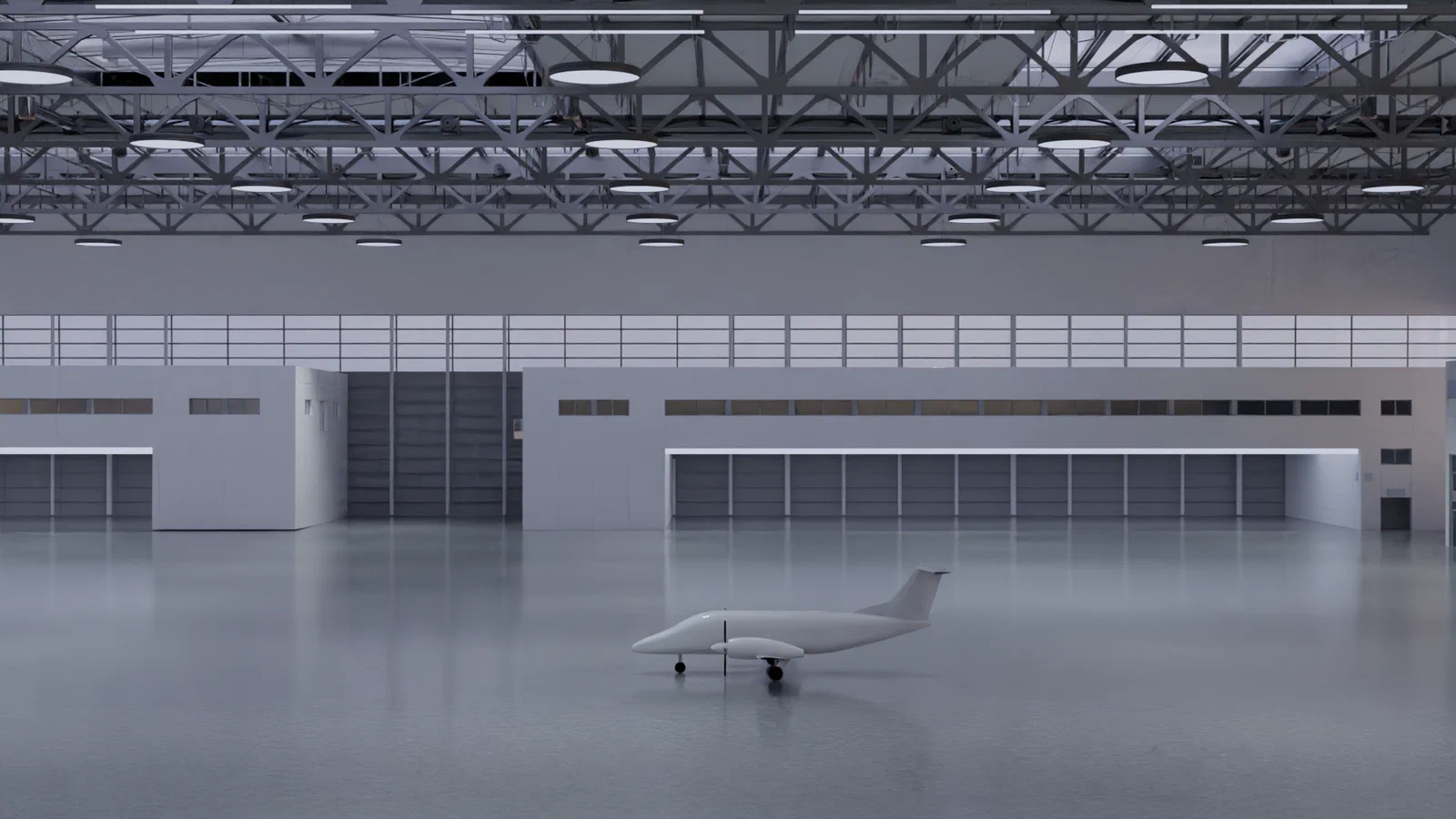
The Commuter Aircraft is a concept for a modern 9-seater twin-turboprop aircraft configuration, designed with a low-wing and a T-shaped tail and built for efficient short commuter flights (up to 600 kilometres).
This design represents the current state of the art. It serves as a basis for exploring how new technologies and configurations can improve the performance of future aircraft. By comparing key results of this basic concept with those of new designs, the effects of novel technologies can be estimated. Many current aircraft of the certification class EASA CS-23 still rely on technology from the 1970s and 1980s, so the introduction of more advanced solutions has the potential to significantly improve fuel efficiency, speed and overall performance. The concept is based on the design of the Cessna 441, a model that entered service in 1977, but with updated cabin geometry and mission requirements for low-density commuter flights between small airports.
This concept represents an intermediate step between reference and baseline aircraft concepts, in that it represents the current generation technology and does not include any assumptions about future technology advancements.
None, the Commuter Aircraft is an interpretation of a current aircraft.
The aircraft was developed within the D-Light project as a design basis to evaluate the performance of a hydrogen-electric commuter aircraft concept.
The aircraft concept will be matured into a research baseline with a projected technology level of 2030. To achieve this, technology factors will be introduced for relevant aircraft parametres, such as fuel efficiency, or mass. The aim of the concept is to serve as a baseline for performance evaluations of new technologies developed in current and future projects.
Click a group to see its components.
| Point | Range (NM) | Range (km) | Payload (t) |
|---|---|---|---|
| Limit | 0 | 0 | 0.91 |
| Limit | 218 | 404 | 0.91 |
| Limit | 811 | 1,501 | 0.61 |
| Limit | 894 | 1,656 | 0.00 |
| Study mission | 324 | 600 | 0.86 |